
📊 Full opportunity report: The Memory Squeeze: Why Your RAM Bill Doubled on ThorstenMeyerAI.com — validation score, market gap, and execution plan.

Get the latest gadgets delivered free — and shop member deals
- Fast, free delivery on millions of items
- Access to Prime Big Deal Days deals on October 6–7
- Prime Video, Amazon Music and more included
TL;DR
RAM prices have doubled or tripled in 2026 due to a shift in chip manufacturing toward AI hardware. Major suppliers prioritize high-margin products, causing shortages and price hikes for consumers. The supply crunch is driven by structural industry choices, not short-term disruptions.
DRAM prices have surged by up to 600% in 2026, with the cost of standard 32GB DDR5 kits rising from about $120 to nearly $375, and 64GB kits exceeding $600. This increase is driven by a fundamental shift in manufacturing priorities, not just supply disruptions, impacting both consumer and enterprise markets.
The main cause of the price spike is a reallocation of chip-making capacity from consumer RAM to high-margin AI memory modules like High Bandwidth Memory (HBM). The three dominant DRAM producers—Samsung, SK Hynix, and Micron—are redirecting wafers to produce HBM, which is more profitable but far less efficient in wafer usage. As a result, DRAM wafer output dedicated to consumer memory has decreased, and prices have surged accordingly.
Industry data shows that HBM now accounts for about 23% of total DRAM wafer output, up from 19%, with AI applications expected to absorb roughly 20% of all DRAM capacity in 2026. This shift is not a temporary supply hiccup; it is a deliberate industry decision to prioritize high-margin products, even as demand for consumer memory continues to grow rapidly.
Unlike past shortages, which were alleviated by building more fabs, capacity growth in 2026 remains below historical norms. IDC reports that DRAM bit-supply growth is only about 16%, well below the 20–30% seen in previous years. New manufacturing facilities are not expected to come online until 2027–2028, and existing fabs are managing scarcity by maintaining high prices and limiting supply to the broader market.
Why your RAM bill doubled
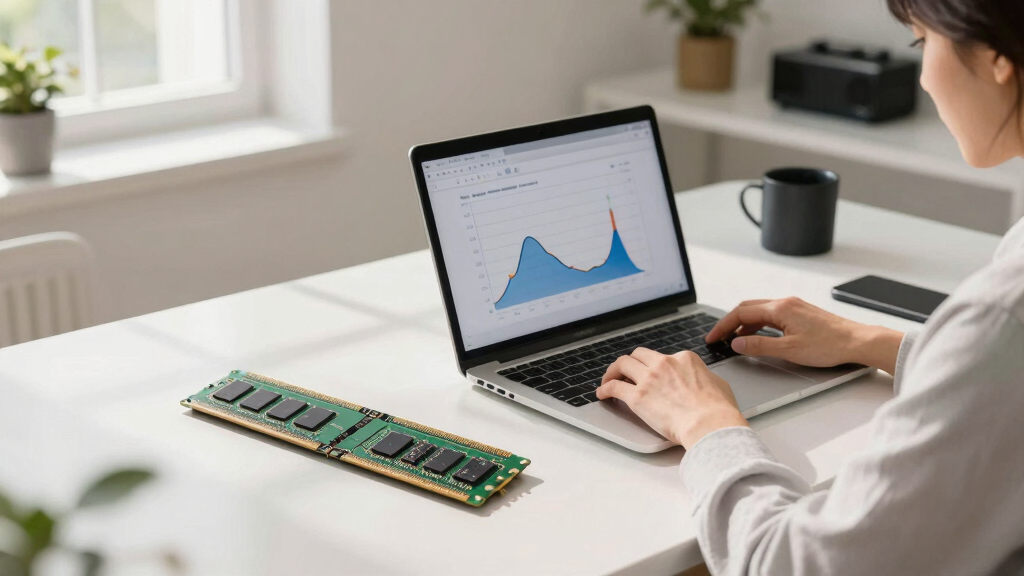
“Doubled” is the polite version — consumer DRAM is running 3–6× its 2024 lows. The boom-bust cycle that always brought cheap RAM back isn’t coming this time, because the factories that make your RAM now make something far more profitable instead.
HBM
This is the quiet tax on the whole AI era. Relief isn’t forecast before 2028, and even then prices may settle 30–50% above pre-crisis levels. Buy what you genuinely need now; don’t panic-buy capacity you won’t use. You can’t out-wait the fab math — but, as this series will show, you can shrink what you need. Next: HBM Ate the Fab.
Impacts on Consumers and Industry Profitability
This price surge significantly affects consumer PC builders, enterprise buyers, and major tech companies. Consumers face higher costs for memory modules, while manufacturers like Apple have announced price hikes on their devices. The industry’s focus on high-margin AI memory means the supply crunch is unlikely to ease soon, potentially leading to prolonged shortages and higher prices across the tech sector.
Furthermore, the industry’s strategic shift raises questions about market competition and the long-term availability of affordable memory, as capacity is now being allocated based on profitability rather than supply-demand balance. This could influence future pricing trends and product availability for years to come.
As an affiliate, we earn on qualifying purchases.
Industry Shift Toward AI Memory and Its Effects
Over the past year, the DRAM market has experienced a dramatic price increase, with prices doubling or tripling since 2024. Historically, shortages eased as manufacturers expanded capacity, but this time, the focus has shifted. The three main producers—Samsung, SK Hynix, and Micron—are reallocating wafer capacity from consumer RAM to high-margin AI memory modules like HBM. This reallocation is driven by the higher profitability of AI-related chips, which sell for significantly more per module than standard DDR5.
The physics of wafer manufacturing also plays a role: HBM consumes 3–4 times the wafer area of DDR5 for each bit produced, making it a less efficient use of manufacturing capacity. As a result, the share of wafer output dedicated to consumer memory has declined, and the supply-demand imbalance persists. Past memory shortages were resolved by increasing production; this time, the industry is managing scarcity by limiting supply and prioritizing high-margin products, with no immediate plans to ramp up capacity.
“Our focus is on delivering high-value solutions for AI and enterprise markets; consumer memory is a secondary priority at this time.”
— Micron spokesperson
As an affiliate, we earn on qualifying purchases.
Unresolved Questions About Market Dynamics
It remains unclear whether the current high prices are solely due to genuine supply scarcity or if some level of market restraint and strategic management by the dominant producers is also influencing prices. While collusion is not evidenced this time, the market concentration and long-term contracts raise questions about future competition and pricing behavior.
Additionally, the timeline for capacity expansion and whether new fabs will significantly alleviate shortages in the near term is still uncertain, as industry build times extend into 2027–2028.
As an affiliate, we earn on qualifying purchases.
Future Capacity Expansion and Market Recovery
Manufacturers are expected to continue managing supply through high-margin product focus and capacity discipline. The next key milestones include the ramp-up of new fab expansions in 2027–2028, which may gradually ease shortages if capacity is increased significantly. Meanwhile, consumers and enterprise buyers should anticipate continued high prices and potential shortages until then. Monitoring industry statements and capacity developments will be crucial to understanding when relief might occur.
As an affiliate, we earn on qualifying purchases.
Key Questions
Will RAM prices go back to normal soon?
It is unlikely in the near term. Prices are driven by strategic industry reallocation toward AI memory, with capacity expansion not expected until at least 2027–2028.
What impact does this have on PC and device prices?
Manufacturers like Apple and Dell have already announced price hikes, and consumer memory modules are more expensive, which could lead to higher prices for new devices.
Is this shortage temporary or permanent?
The shift toward high-margin AI memory suggests a long-term trend, making the shortage more structural than cyclical. Relief depends on capacity expansion timelines.
Are there alternatives for consumers to avoid high RAM prices?
Options are limited as DDR4 is nearing end-of-life and DDR5 prices are high. Buyers may need to consider second-hand modules or wait until capacity increases, which could take years.
Source: ThorstenMeyerAI.com
Fall Picks
fall essentials
As an affiliate, we earn on qualifying purchases.