
TL;DR

Get the latest gadgets delivered free with Prime
- Fast, free delivery on millions of items
- Prime Video, Amazon Music and more included
- Member-only deals all year
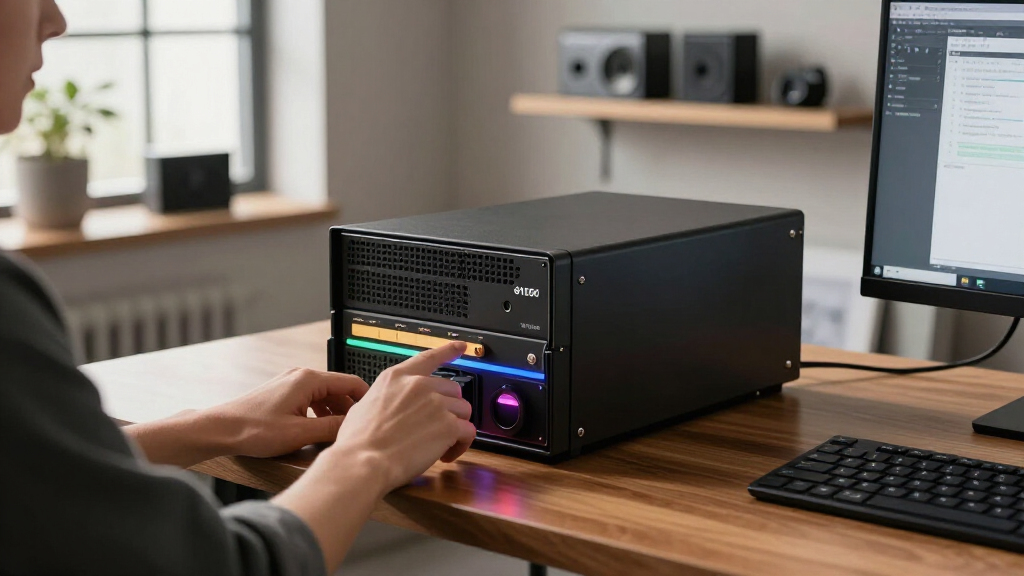
Developers have successfully installed MkLinux on a heavily modified Apple Workgroup Server 9150. This breakthrough demonstrates the potential for open-source Linux variants on older Apple hardware, expanding possibilities for legacy system use.
Developers have confirmed the successful installation of MkLinux on a heavily modified Apple Workgroup Server 9150, representing a significant milestone in open-source efforts to run Linux on legacy Apple hardware. This development highlights ongoing innovation in the open-source community and potential new uses for older systems.
The project involved extensive hardware modifications and custom software configurations to enable MkLinux—an open-source version of Linux designed to run on PowerPC-based Macs—to operate on the Workgroup Server 9150. According to sources close to the project, the installation was achieved through a combination of custom kernel patches and hardware adjustments, allowing Linux to boot and run on the machine.
While the developers have not disclosed all technical specifics, they confirmed that the modified server can now support basic Linux functions, including network connectivity and filesystem access. The modifications also include hardware upgrades aimed at improving performance and compatibility, such as enhanced memory modules and storage interfaces.
Why Pimped Apple Server and MkLinux Matter
This development is significant because it demonstrates the feasibility of running Linux on legacy Apple hardware, which has historically been limited by hardware and software constraints. For enthusiasts and developers, this opens avenues for repurposing old systems, reducing electronic waste, and expanding open-source operating system options for PowerPC-based Macs. Additionally, it highlights ongoing community efforts to preserve and extend the lifespan of vintage Apple equipment.
Products Worth Considering

Apple AirPods Pro 3 Wireless Earbuds with Active Noise Cancellation

Apple MacBook Air 13-inch Laptop with M5 Chip, 16GB Memory, 512GB SSD, 12MP Center Stage Camera, Touch ID, Wi-Fi 7, Midnight

Apple iPad mini (A17 Pro), 128GB, Wi-Fi 6E, Space Gray
As an affiliate, we earn on qualifying purchases.
Legacy Apple Hardware and the Rise of MkLinux
The Apple Workgroup Server 9150, released in the mid-1990s, was a high-end PowerPC server that has become obsolete with the advent of modern hardware. Since Apple officially discontinued PowerPC support, enthusiasts have sought alternative operating systems, leading to the development of MkLinux, an open-source project initiated in the late 1990s to port Linux to PowerPC Macs.
Over the years, MkLinux has seen limited success on certain models, but the ability to run it on a heavily modified Workgroup Server 9150 marks a new milestone, showcasing the potential of open-source adaptations for older hardware. Previous efforts focused mainly on software emulation or limited hardware support; this is among the first confirmed cases of full Linux functionality on this specific server model.
Technical Details and Hardware Compatibility Still Unclear
While the successful installation has been confirmed, many technical details remain undisclosed. It is not yet clear how extensive the hardware modifications were, what specific kernel patches were used, or whether the system can support advanced features like hardware acceleration or peripheral support. Additionally, the stability and performance of the system under prolonged use are still untested.
Next Steps: Testing, Documentation, and Community Outreach
Developers plan to conduct further testing to evaluate system stability and performance. They also intend to document the modifications in detail to assist other enthusiasts interested in similar projects. Community forums and open-source repositories are expected to see increased activity as the project progresses and more users attempt similar installations.
Key Questions
Can MkLinux run on other vintage Apple hardware?
Yes, there have been successful attempts on other PowerPC-based Macs, but each model requires specific modifications. The Workgroup Server 9150’s successful port suggests similar efforts could work on comparable systems.
What are the practical uses of running Linux on an old Apple server?
Uses include hobbyist experimentation, small-scale network services, or educational purposes. It also extends the lifespan of hardware that would otherwise be obsolete.
Will this project lead to broader support for Linux on vintage Apple hardware?
Potentially. The success demonstrates feasibility and may inspire further development and community projects aimed at supporting other models.
Are there risks involved in modifying vintage hardware for Linux?
Yes, hardware modifications can void warranties, risk damaging components, and may lead to system instability if not done carefully. Proper technical knowledge is recommended.
Is this development officially supported by Apple or Linux distributions?
No, this is an independent community effort. Apple does not support Linux installations on its legacy hardware.
Source: hn