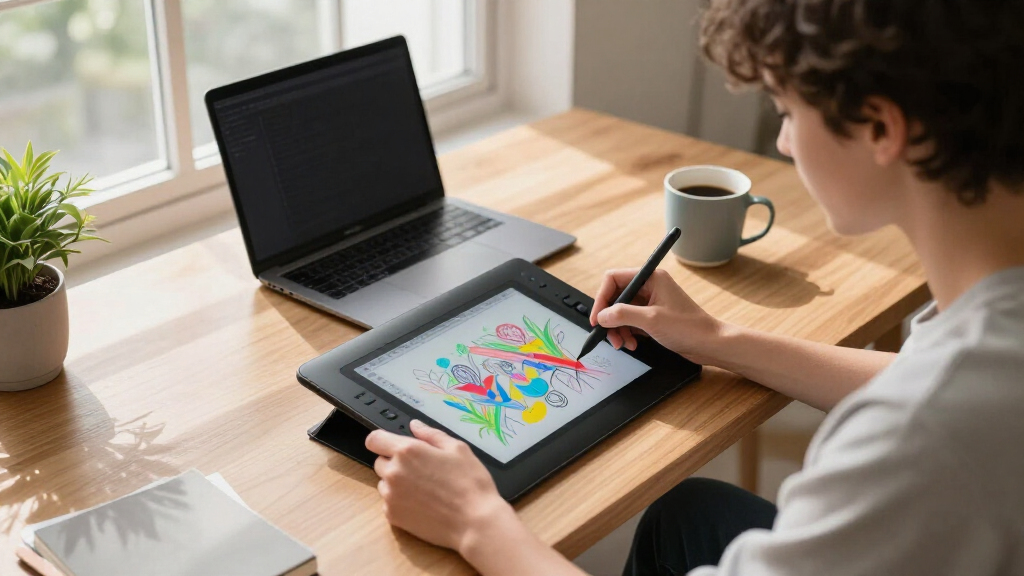
🔍 Read the full analysis: Leading 7 AI Drawing Tablets To Watch In 2026 on ThorstenMeyerAI.com

Get the latest gadgets delivered free — and shop member deals
- Fast, free delivery on millions of items
- Access to Prime Big Deal Days deals on October 6–7
- Prime Video, Amazon Music and more included
TL;DR
In 2026, seven standout AI drawing tablets are emerging, blending advanced display tech, pressure sensitivity, and usability. This guide highlights top models for professionals and beginners, explaining their features and tradeoffs.
Seven AI drawing tablets are gaining prominence in 2026, offering a range of features from professional-grade displays to budget-friendly options. This guide highlights top models for professionals and beginners, explaining their features and tradeoffs. These devices are shaping the future of digital art, providing artists with tools that combine advanced AI capabilities with high-quality input and display technology. This review identifies the top models to watch, based on their performance, usability, and innovation, making it essential reading for artists, designers, and tech enthusiasts.
The top seven AI drawing tablets in 2026 include a mix of professional-grade pen displays, standalone devices, and affordable options suitable for beginners. These tablets are distinguished by features such as high-resolution screens, AI-enhanced stylus performance, and seamless software integration. For more on the latest models, see the Uncover The Top 8 AI Drawing Tablets For 2026 Creators. For instance, the Wacom Intuos Pro remains a reliable choice for its balance of performance and affordability, while newer models like the Huion Kamvas Pro 16 leverage AI to improve color accuracy and stroke precision.
Several models, such as the Huion Inspiroy H640P, cater to entry-level users with compact designs and simplified features, emphasizing portability and ease of use. You can explore the 11 Best Wacom Drawing Tablets in 2026 for more options. Meanwhile, standalone tablets like the HUION Kamvas Pad 12 incorporate built-in processing power and AI-driven enhancements, streamlining creative workflows without requiring a separate computer. These devices often feature AI-powered tools for stroke smoothing, predictive shading, and real-time color correction, making them increasingly sophisticated.
The 7 picks
- 1
 XP-Pen Artist Pro 22 (Gen 2) 22-Inch 2.5K Drawing Tablet with Screen and Calm…View on Amazon →
 - 2
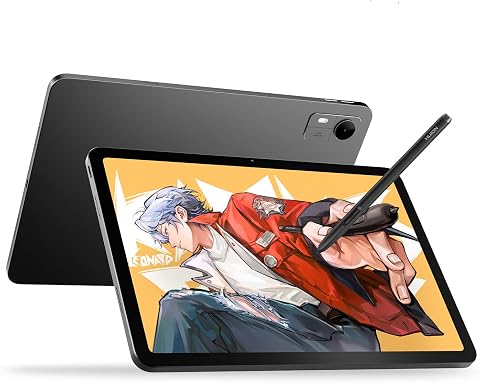 HUION Kamvas Pad 12 2K+ Standalone Drawing Tablet with Screen and PenTech 4.0View on Amazon →
 - 3
 HUION Kamvas Pro 16 Drawing Tablet with ScreenView on Amazon →
 - 4
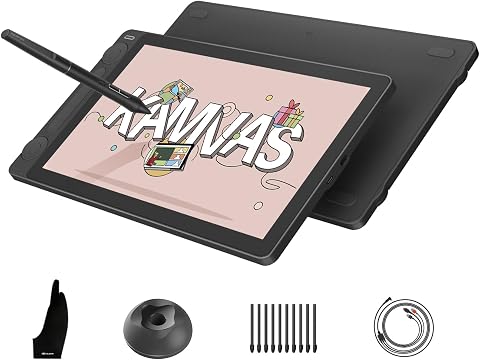 HUION Kamvas 13 (Gen 3) Drawing Tablet with Screen and 16K Pressure PenTech 4.0View on Amazon →
 - 5
 HUION Inspiroy H1060P Graphics Drawing Tablet, 10 x 6.25 inches, 12+16 Hot KeysView on Amazon →
 - 6
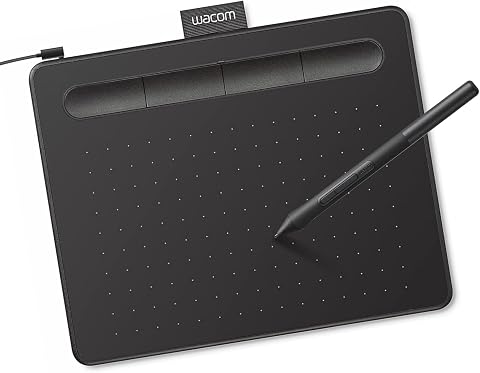 Wacom Intuos Small Wired Graphics Drawing Tablet with Pen and SoftwareView on Amazon →
 - 7
 Huion Inspiroy H640P 6×4 inch Drawing Tablet with 8192 Pen PressureView on Amazon →
Why 2026’s AI Drawing Tablets Matter for Creatives
The emergence of these advanced AI drawing tablets signifies a major shift in digital art, blending traditional pen input with AI-driven enhancements to improve workflow, accuracy, and creative potential. For professionals, these devices offer tools that can automate routine tasks, enhance color fidelity, and provide more natural drawing experiences. For beginners, they lower barriers to entry with intuitive interfaces and smarter stylus technology. As AI continues to evolve, these tablets are set to redefine how artists create, edit, and share their work, impacting industries from entertainment to design.
Development of AI-Enhanced Drawing Devices in 2026
Over the past few years, the market for digital drawing devices has steadily integrated AI features, starting with basic stylus improvements and evolving into full AI-powered tools embedded within hardware. In 2026, companies like Wacom, Huion, and others have launched models that incorporate AI for stroke correction, color prediction, and workflow automation. These advancements build on prior innovations in high-resolution displays, pressure sensitivity, and ergonomic design, aiming to meet the demands of both professional artists and hobbyists.
Previous releases focused on hardware improvements; now, AI integration is central, offering smarter, more responsive, and more intuitive tools. The trend reflects a broader industry shift toward smarter creative devices that adapt to user styles and preferences, making digital art more accessible and efficient.
Unconfirmed Features and Future Developments
While the leading models incorporate AI enhancements, specific features such as AI-driven predictive shading, automatic color matching, and real-time stroke correction vary between devices and are still evolving. Some manufacturers have announced upcoming updates, but details remain unconfirmed, and the full scope of AI capabilities in these tablets is yet to be seen. Additionally, how these devices will perform in long-term use and their integration with future software updates remains uncertain.
Upcoming Releases and Industry Trends to Watch
In the coming months, expect new models from major brands that will push AI integration further, including more sophisticated stylus AI features and larger, more responsive displays. Industry analysts predict that AI will become a standard feature across all price ranges, making advanced tools accessible to a broader audience. Developers are also working on software updates that will leverage AI for enhanced creative workflows, which could further redefine digital art in 2026 and beyond.
Key Questions
Will AI features replace traditional drawing skills?
AI features are designed to augment and enhance human creativity, not replace traditional skills. They can automate routine tasks and improve accuracy, allowing artists to focus more on creative expression.
Are AI drawing tablets suitable for beginners?
Yes, many models are designed with user-friendly interfaces and AI-powered tools that help beginners learn faster and create more professional-looking work with less effort.
How long will these AI-enhanced tablets remain relevant?
Given the rapid pace of technological advancement, AI drawing tablets are likely to evolve quickly, with ongoing updates and new models offering increasingly sophisticated features. Staying current will require attention to industry announcements.
Are standalone AI drawing tablets more expensive than traditional pen displays?
Generally, standalone models tend to be more costly due to integrated processing hardware and AI features, but they offer greater convenience and portability for on-the-go artists.
Can existing drawing software fully leverage AI features in these tablets?
Most current AI drawing tablets are compatible with popular software like Photoshop and Illustrator, but the extent to which AI features are utilized depends on software updates and driver support from manufacturers.
Source: ThorstenMeyerAI.com
Fall Picks
fall essentials
As an affiliate, we earn on qualifying purchases.