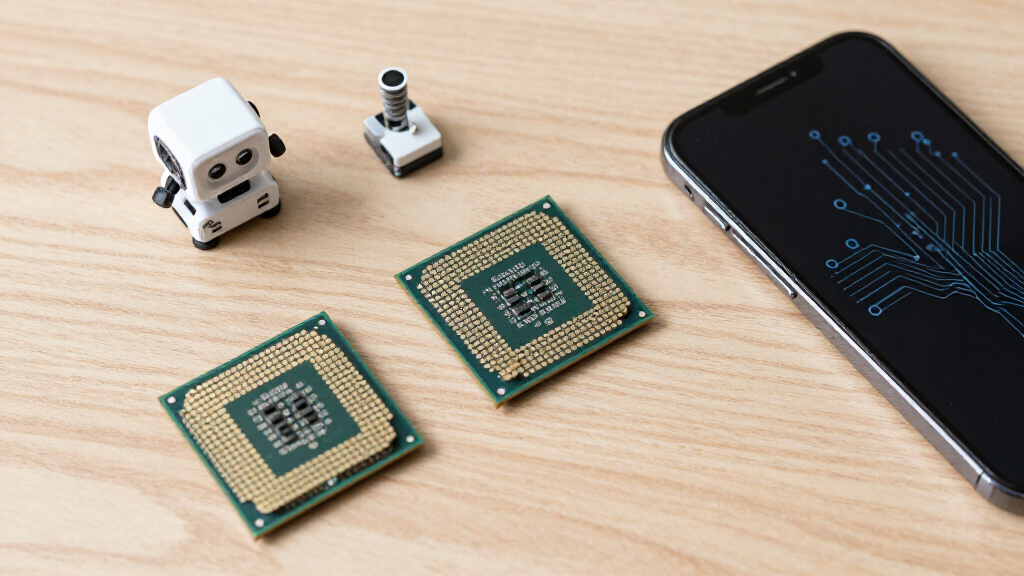

📊 Full opportunity report: Best AI Processors For Robotics And Automation In 2026 on ThorstenMeyerAI.com — validation score, market gap, and execution plan.

Get the latest gadgets delivered free — and shop member deals
- Fast, free delivery on millions of items
- Access to Prime Big Deal Days deals on October 6–7
- Prime Video, Amazon Music and more included
TL;DR
In 2026, several AI processors are leading the robotics and automation sectors, with AMD and Intel introducing new high-performance chips. These processors are shaping the future of autonomous systems and industrial automation, but some details about upcoming models remain unconfirmed.
AMD and Intel have unveiled their latest AI processors in 2026, designed specifically for robotics and automation applications. These developments are confirmed and mark a significant step forward in AI hardware tailored for industrial and autonomous systems, underscoring their importance for future tech infrastructure.
AMD announced the Ryzen AI-9500X, a processor optimized for high-speed AI inference and machine learning tasks in robotics. It features a new AI acceleration core and improved energy efficiency, tailored for industrial automation and autonomous robots.
Intel revealed the Xeon Ultra 7 3000, a processor with enhanced AI capabilities, including integrated neural processing units (NPUs) designed to handle complex AI workloads in real-time robotics operations. Both companies confirmed these chips will be available for enterprise and industrial markets in the second quarter of 2026.
While these processors are confirmed, detailed specifications, pricing, and exact performance benchmarks are still emerging, and some upcoming models from other manufacturers remain unannounced or unconfirmed.
The 10 picks
- 1
 AMD Ryzen 9 9950X 16-Core Desktop ProcessorView on Amazon →
 - 2
 AMD Ryzen 7 9800X3D 8-Core, 16-Thread Desktop ProcessorView on Amazon →
 - 3
 AMD Ryzen 7 5800X3D 8-core, 16-thread Desktop Processor with AMD 3D V-Cache T…View on Amazon →
 - 4
 AMD Ryzen 7 7800X3D 8-Core, 16-Thread Desktop ProcessorView on Amazon →
 - 5
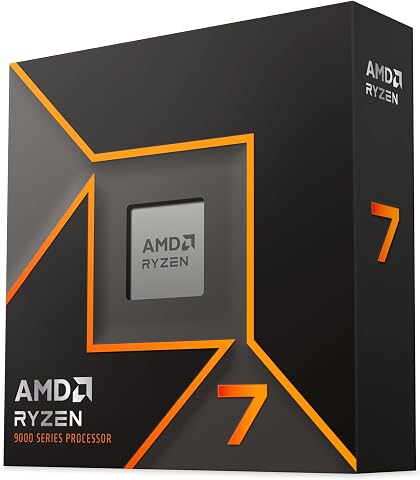 AMD Ryzen 7 9700X 8-Core, 16-Thread Unlocked Desktop ProcessorView on Amazon →
 - 6
 AMD Ryzen 7 5800XT 8-Core, 16-Thread Desktop ProcessorView on Amazon →
 - 7
 AMD Ryzen 7 7700X 8-Core, 16-Thread Unlocked Desktop ProcessorView on Amazon →
 - 8
 Intel Core Ultra 5 Desktop Processor 225, 10 cores (6 P-cores + 4 E-cores), u…View on Amazon →
 - 9
 AMD Ryzen 5 9600X 6-Core, 12-Thread Unlocked Desktop ProcessorView on Amazon →
 - 10
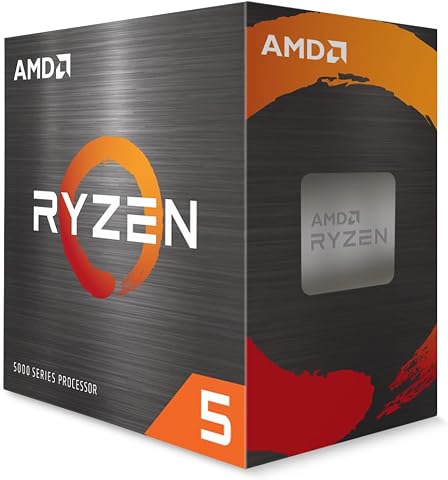 AMD Ryzen 5 5500 6-Core Desktop Processor with Wraith Stealth CoolerView on Amazon →
Implications of Advanced AI Processors for Robotics in 2026
The introduction of these AI processors signifies a major shift in robotics and automation technology, enabling faster, more efficient, and more intelligent autonomous systems. Industries such as manufacturing, logistics, and autonomous vehicles stand to benefit from improved processing capabilities, potentially transforming operational efficiency and safety standards.
For developers and companies, these advancements mean access to hardware that can support increasingly complex AI algorithms in real-time, reducing latency and improving decision-making in critical applications. However, the rapid pace of development also raises questions about hardware compatibility, software optimization, and long-term support.
2026 AI Processor Developments and Industry Trends
Leading up to 2026, AI hardware has seen rapid evolution, with AMD and Intel investing heavily in specialized AI cores and accelerators. The AMD Ryzen series has historically emphasized high performance for gaming and productivity, but the new AI-optimized chips mark a strategic pivot toward industrial and autonomous applications.
Similarly, Intel’s Xeon line has expanded its AI capabilities, aiming to dominate enterprise and industrial markets. These developments follow years of increasing demand for AI processing power in robotics, autonomous vehicles, and smart manufacturing, driven by advancements in machine learning models and sensor technology.
While other players such as NVIDIA and Qualcomm are also active, AMD and Intel’s latest offerings are confirmed to be the most significant for robotics and automation in 2026.
“The integration of dedicated neural processing units in these chips will significantly reduce latency and improve real-time decision-making in autonomous systems.”
— Jane Liu, industry expert
Unconfirmed Details and Future Processor Releases
While AMD and Intel have announced their flagship AI processors, specific performance benchmarks, pricing, and availability timelines are still not fully confirmed. It remains unclear how these chips will perform in real-world robotics applications compared to existing solutions, and whether upcoming models from other manufacturers like NVIDIA or Qualcomm will challenge their dominance.
Additionally, the long-term support and software ecosystem for these new processors are still developing, which could influence their adoption in industrial settings.
Upcoming Launches and Industry Adoption Milestones in 2026
In the coming months, expected benchmarks and field tests will clarify the real-world performance of AMD and Intel’s new AI processors. Industry adoption will accelerate as companies integrate these chips into autonomous robots and industrial systems. Watch for major product launches, software updates, and partnerships that will determine how quickly these processors become standard in robotics and automation sectors.
Further announcements from other chipmakers and updates on software ecosystems will also shape the competitive landscape for AI hardware in 2026.
Key Questions
What are the main advantages of AMD’s Ryzen AI-9500X for robotics?
The AMD Ryzen AI-9500X features dedicated AI acceleration cores, improved energy efficiency, and optimized performance for real-time AI inference, making it ideal for robotics and industrial automation.
How does Intel’s Xeon Ultra 7 3000 improve AI processing in robotics?
It includes integrated neural processing units (NPUs) designed to handle complex AI workloads efficiently, enabling faster decision-making and real-time processing in autonomous systems.
Are these processors compatible with existing robotics hardware?
Compatibility depends on the specific hardware and system architecture. Both AMD and Intel are providing support for current industrial platforms, but some upgrades may be necessary for optimal performance.
When will these processors be available for purchase?
Both AMD and Intel have announced plans to release these chips in the second quarter of 2026, but exact availability dates may vary by region and supplier.
Will other companies release competing AI processors in 2026?
Yes, companies like NVIDIA and Qualcomm are expected to announce or release their own AI hardware solutions for robotics and automation, but details are still emerging.
Source: ThorstenMeyerAI.com
Fall Picks
fall essentials
As an affiliate, we earn on qualifying purchases.