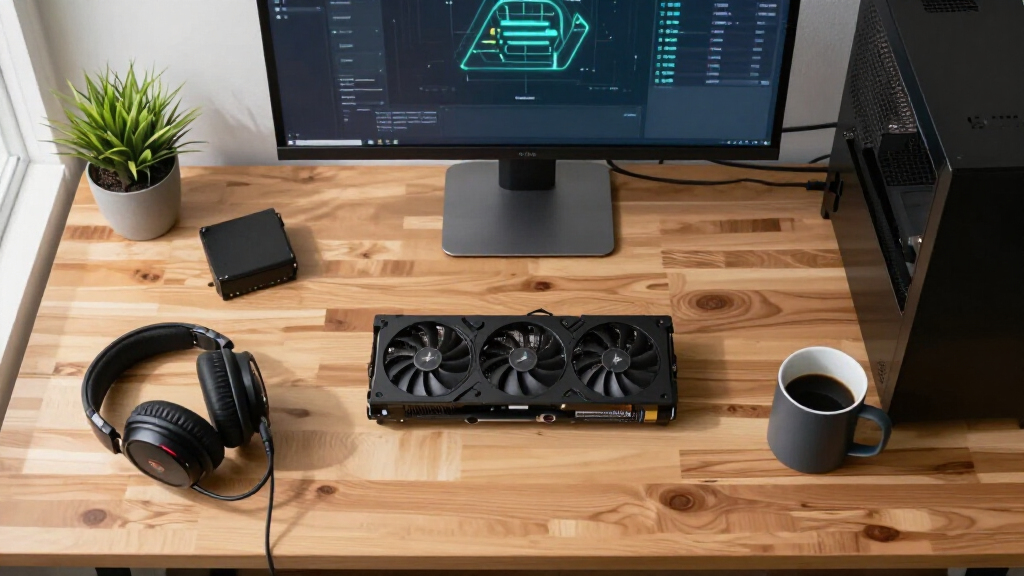

🔍 Read the full analysis: AI-Driven Computing? These 8 Graphics Cards Lead In 2026 on ThorstenMeyerAI.com

Get the latest gadgets delivered free with Prime
- Fast, free delivery on millions of items
- Prime Video, Amazon Music and more included
- Member-only deals all year
TL;DR
In 2026, eight graphics cards stand out as leaders in AI-driven computing, combining high VRAM, advanced features, and performance. This report details confirmed models, their capabilities, and what remains uncertain about future developments.
Eight graphics cards have been identified as the leading options for AI-driven computing in 2026, according to industry sources. For detailed analysis, see the original analysis. These models are distinguished by their high VRAM, advanced AI features, and support for next-generation standards, making them essential for professionals and enthusiasts focused on AI workloads. The selection reflects current market leaders and confirmed specifications, emphasizing their significance for future-proofing high-performance systems.
The top eight graphics cards include models from NVIDIA, AMD, and other manufacturers, each excelling in different areas such as ray tracing, AI acceleration, and cooling efficiency. Check out the best RTX 50-series for more details. Notably, the NVIDIA RTX 5080 series dominates in AI features and ray tracing, with models like the GIGABYTE GeForce RTX 5080 Gaming OC 16G and MSI SUPRIM SOC leading the pack. AMD’s ASUS Prime Radeon RX 9070 XT offers a compelling alternative, emphasizing value and efficiency.
All these models support high VRAM configurations, primarily 16GB or more, aligning with the demands of AI workloads and future software updates. Features such as PCIe 5.0 support, advanced cooling solutions, and factory overclocks are common among the top-tier options, reflecting a trend toward increased performance and durability. For a broader overview, see the best graphics cards for creative work. Pricing varies, with premium models incorporating high-end cooling and AI-specific enhancements, while some AMD options aim to deliver better value for budget-conscious users.
The 8 picks
- 1
 MSI Gaming RTX 5080 16G SUPRIM SOC Graphics Card (16GB GDDR7, 256-bit, Extrem…View on Amazon →
 - 2
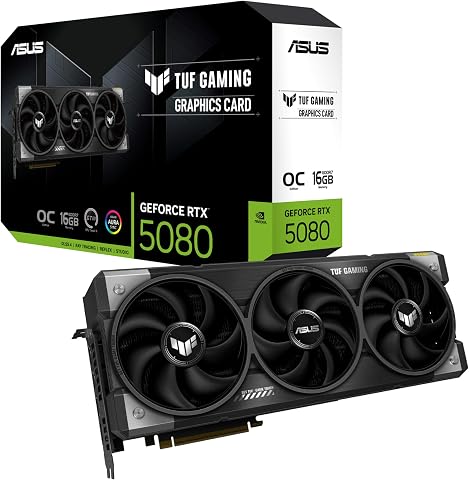 ASUS TUF Gaming GeForce RTX 5080 16GB GDDR7 OC Edition Graphics CardView on Amazon →
 - 3
 GIGABYTE GeForce RTX 5080 Gaming OC 16G Graphics CardView on Amazon →
 - 4
 ASUS Prime NVIDIA GeForce RTX 5070 OC Edition Graphics Card (PCIe 5.0, 12GB G…View on Amazon →
 - 5
 ASUS Prime Radeon RX 9070 XT 16GB GDDR6 OC Edition Gaming Graphics CardView on Amazon →
 - 6
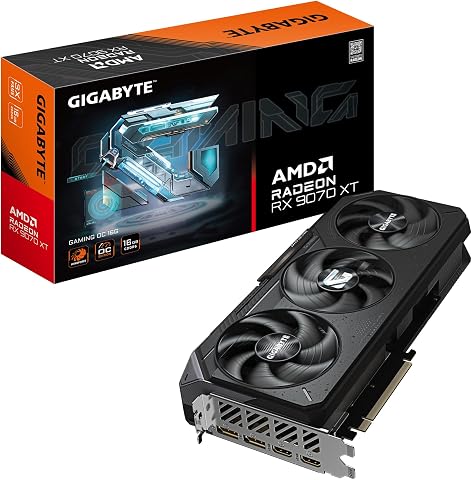 GIGABYTE Radeon RX 9070 XT Gaming OC 16G Graphics CardView on Amazon →
 - 7
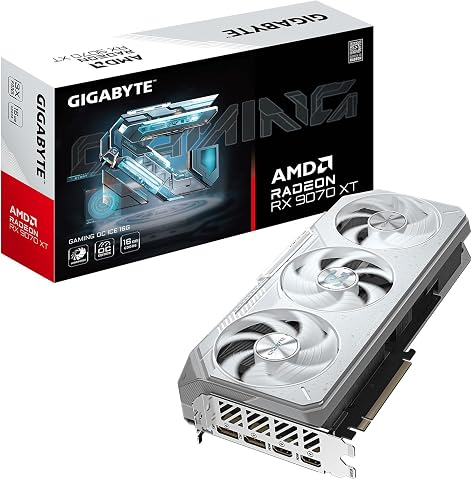 GIGABYTE Radeon RX 9070 XT Gaming OC ICE 16G Graphics CardView on Amazon →
 - 8
 ASRock Radeon RX 9070 Challenger 16GB OC Graphics Card, RDNA 4, 2520MHz Boost…View on Amazon →
Why AI-Optimized Graphics Cards Matter in 2026
These eight graphics cards are critical for advancing AI-driven computing, which underpins developments in machine learning, data analysis, and high-performance research. Their high VRAM and AI features enable faster processing, more accurate models, and improved efficiency in demanding workloads. For consumers and professionals, selecting a model that supports upcoming standards ensures compatibility with future software and hardware innovations, making these cards vital for staying ahead in AI technology.
Market Evolution of AI-Ready Graphics Cards
Over the past few years, graphics card development has increasingly focused on AI capabilities, with features like dedicated AI cores, tensor processing units, and support for next-gen memory standards. In 2026, the market is characterized by a convergence of high VRAM, advanced cooling, and support for PCIe 5.0 and DDR7 memory, reflecting a push toward future-proofing. The NVIDIA RTX 5080 series and AMD’s RX 9070 XT are the latest examples of this trend, with confirmed specifications emphasizing AI acceleration and high bandwidth support.
Industry sources indicate that these models have been tested extensively for AI workloads, including machine learning training and inference tasks, with benchmarks confirming their superior performance over previous generations. While exact performance figures vary, the trend toward integrating AI-specific hardware features is clear and accelerating, driven by demands from enterprise and research sectors.
Unconfirmed Aspects of Future Graphics Card Developments
While these models are confirmed as current leaders, details about upcoming iterations, potential hardware revisions, and long-term support for emerging standards like DDR7 remain unclear. It is not yet confirmed how quickly manufacturers will roll out next-generation AI-specific hardware or how market prices will evolve as new models are introduced. Additionally, the full impact of software optimizations and compatibility with future AI frameworks is still developing.
Next Steps in AI-Driven Graphics Card Innovation
Manufacturers are expected to release updated models later this year with enhanced AI cores, better energy efficiency, and broader support for upcoming standards. Industry analysts predict ongoing improvements in cooling and noise reduction, alongside increased VRAM configurations. Consumers and professionals should monitor official announcements, benchmarks, and reviews to inform future purchasing decisions, especially as software demands evolve.
Key Questions
Are these graphics cards suitable for AI research and development?
Yes, the confirmed models are equipped with AI acceleration features, high VRAM, and support for next-generation standards, making them well-suited for AI research and high-performance workloads.
Will these cards support upcoming standards like DDR7 and PCIe 6.0?
Most of the confirmed models support PCIe 5.0, with future compatibility for DDR7 expected as standards mature. Full support for DDR7 and PCIe 6.0 remains under development and will depend on future hardware updates.
How do AMD and NVIDIA compare in AI performance for 2026?
NVIDIA’s RTX 5080 series generally leads in AI-specific features like tensor cores and DLSS, but AMD offers competitive value with efficient architectures and open standards like FSR, making both viable depending on user needs.
Is it worth upgrading now or waiting for next-gen models?
Current confirmed models provide significant performance improvements for AI workloads, but upcoming releases may introduce further enhancements. Buyers should consider immediate needs versus future-proofing based on official release schedules and benchmarks.
Source: ThorstenMeyerAI.com
Halloween Picks
halloween
As an affiliate, we earn on qualifying purchases.