TL;DR
Google announced a long-term agreement through the Symbiosis Coalition with Working Trees, which it says is intended to remove 270,000 tons of carbon dioxide through a project in Brazil. The project plants trees on active cattle pasture, combining carbon removal with timber and carbon revenue opportunities for ranchers; timelines, independent verification details and project locations were not specified in the announcement.
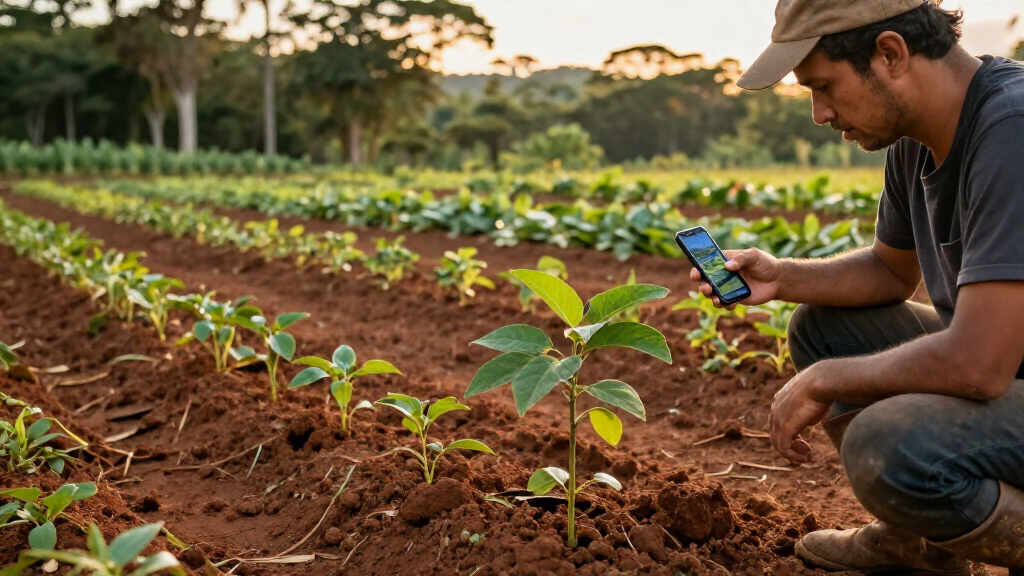
Google says it has agreed through the Symbiosis Coalition to support a Working Trees project in Brazil intended to remove 270,000 tons of carbon dioxide. The project uses silvopasture: planting trees on active cattle pasture, with the stated aim of generating carbon removal while allowing ranching to continue.
In its announcement, Google described the agreement as long-term and said the carbon removal would come from Working Trees’ project across pasturelands in Brazil’s Amazon and Cerrado biomes. The report does not specify how long the agreement runs, when the project will reach its removal target, or how the 270,000-ton figure is distributed over time. The figure is a stated project target, not evidence that the carbon has already been removed.
Working Trees plants trees on working ranchland rather than replacing cattle operations, according to Google’s account. The company says ranchers may diversify income through timber and carbon revenues. As trees grow, the announcement says, they can provide shade for cattle and support soil health, drought resilience and land and livestock productivity. These are described as expected benefits; the report does not provide measured outcomes from this project.
Google says Working Trees uses a digital tracking platform to record each planted tree and create a verification trail for monitoring impact. The announcement does not name an independent verifier, explain the platform’s methods, or provide public monitoring results. It also does not detail the agreement’s financial terms or the number of ranchers and hectares involved.
Why Working Pastures Matter
The agreement links a carbon-removal target with agricultural land that remains in production. That matters because tree planting on pasture can, in principle, add vegetation without requiring ranchers to stop raising cattle or convert all of a site to forest. The model’s practical value depends on whether trees survive and grow, whether cattle production can continue as planned, and whether carbon removal is measured and verified over time.
For ranchers, the proposed combination of timber and carbon income could offer additional revenue alongside livestock. Shade, soil and drought benefits could also matter in regions exposed to heat and variable rainfall. However, Google’s announcement describes these as potential advantages, not demonstrated results for the named project. Details on revenue arrangements, costs, land eligibility and who bears the risk if trees fail are not provided.
The report presents the approach as capable of expanding across millions of hectares of Brazilian ranchland. That is a statement about potential scale, not a confirmed expansion plan. Any broader impact would depend on landowner participation, local ecological conditions, sustained financing and credible accounting of carbon stored.
As an affiliate, we earn on qualifying purchases.
Silvopasture in Brazil
Silvopasture combines trees, forage and livestock on the same land. In this project description, Working Trees plants trees directly on active pasture, with the stated intent of keeping cattle operations in place while trees mature. It differs from a plan that would remove livestock from the land, although the announcement does not specify how individual sites will be managed.
Google frames the deal as part of the Symbiosis Coalition, through which it says the agreement is being announced. The source identifies Working Trees as the project operator and points to the Amazon and Cerrado as the regions involved. It gives no site-level map, baseline data, planting schedule or breakdown of expected removals by biome.
The report’s use of digital tree records describes a monitoring tool, but a tracking system alone does not establish the amount of carbon removed. That figure depends on factors such as tree growth, survival, project boundaries and the period over which removals are counted. The source does not provide those calculations or the applicable verification standard.
““Today, through the Symbiosis Coalition, we’re announcing a long-term agreement with Working Trees to remove 270,000 tons of carbon dioxide through their project in Brazil.””
— Google, in its announcement
As an affiliate, we earn on qualifying purchases.
Project Targets and Verification
The announcement does not say when planting began or will begin, how long the agreement lasts, or when Working Trees expects to meet the 270,000-ton target. It also does not clarify whether the figure refers to gross removals or accounts for emissions and other risks associated with the project.
Further details are absent on the number of trees, hectares and participating ranchers, as well as the project budget, carbon-credit arrangements and the share of revenue going to landowners. Google describes a tree-tracking platform but does not identify an independent verifier, a measurement standard, or how often results will be disclosed. The claimed benefits for soil, drought resilience and productivity have not been supported in the report with project-specific measurements.
The project is described as operating across the Amazon and Cerrado biomes, but the source does not give precise locations or explain how sites will be selected. It is also unclear what safeguards will address tree loss, fire, changes in land use or other factors that could affect long-term carbon storage.
As an affiliate, we earn on qualifying purchases.
Details Needed to Track Progress
The announcement does not list a next milestone or reporting date. Readers will need subsequent disclosures from Google and Working Trees to assess when planting is underway, how many ranchers and hectares are involved, and how progress toward the carbon-removal target will be measured.
Useful updates would include a schedule for planting and removals, site-level information, the method used to calculate stored carbon, and details of any independent verification. Reporting on tree survival, cattle production, soil conditions and rancher income would help distinguish projected benefits from results observed on participating farms.
As an affiliate, we earn on qualifying purchases.
Key Questions
What did Google announce?
Google said it reached a long-term agreement with Working Trees through the Symbiosis Coalition to support a Brazil project intended to remove 270,000 tons of carbon dioxide.
What is silvopasture?
Silvopasture combines trees and livestock on the same land. Working Trees’ project plants trees on active pasture, according to Google’s description, rather than displacing cattle operations.
Has the project already removed 270,000 tons of CO₂?
The announcement describes 270,000 tons as the amount the project is intended to remove. It does not say that this carbon has already been removed or provide a completion date.
How will the project track the trees?
Google says Working Trees uses a digital platform that lets ranchers track each planted tree. The report does not describe the platform’s methods in detail or name an independent verifier.
Where will the project operate?
Google says the project covers pasturelands in Brazil’s Amazon and Cerrado biomes. It does not provide specific locations, acreage or a list of participating ranches.
Source: rss