
Drone technology brings together cameras, radio systems, navigation hardware, batteries, software, and fast-moving consumer electronics. That range is exciting, but it can also make the category difficult to navigate. A beginner may be choosing a first ready-to-fly aircraft, while an experienced FPV pilot may be comparing receivers, flight-controller stacks, or GPS modules for a custom build.

Get the latest gadgets delivered free with Prime
- Fast, free delivery on millions of items
- Prime Video, Amazon Music and more included
- Member-only deals all year
This hub provides a practical orientation to the drone and FPV ecosystem. It explains the major aircraft categories, the components that shape flight performance, and the questions worth asking before buying or upgrading. Use it to identify the type of equipment that fits your goals, then follow the linked guides for focused recommendations.
Start With the Kind of Flying You Want to Do
The best drone is not simply the model with the longest specification sheet. It is the aircraft that suits its intended job. A stabilized camera drone, an FPV freestyle quad, and a compact cinewhoop can all record video, but they deliver very different flying experiences.
Camera and Content-Creation Drones
Conventional camera drones prioritize stable hovering, assisted flight, and an accessible aerial-photography workflow. They are commonly chosen for landscapes, travel footage, property imagery, and general content creation. A typical system combines GPS-assisted positioning, a stabilized camera, automated flight features, and a controller designed around a live video view.
When comparing these drones, consider the complete production workflow rather than camera resolution alone. Sensor characteristics, stabilization, lens options, recording formats, storage, battery logistics, and editing compatibility all affect the result. Pilots balancing creative ambitions against a defined spending ceiling can begin with the guide to the best drones under $1000.
FPV Freestyle and Racing Drones
First-person-view drones put the pilot closer to the action. A low-latency video feed is displayed through goggles or another screen, while manual control allows rapid turns, dives, rolls, and precise changes in attitude. Racing emphasizes speed and predictable response around a course. Freestyle flying focuses more on creative lines, tricks, and control through complex spaces.
FPV has a steeper learning curve because the pilot must understand both flight technique and system compatibility. A ready-to-fly package can reduce those early decisions by grouping the aircraft and supporting equipment into a more approachable starting point. New pilots can explore the best FPV RTF kits for beginners before deciding whether a custom build is necessary.
Cinewhoop Drones
Cinewhoops occupy a useful middle ground between agile FPV quads and cinematic camera platforms. They are generally compact FPV aircraft built around protected or ducted propellers, with an emphasis on controlled movement and close-range filming. Pilots often consider them for smooth passes through tighter environments where the character of FPV footage is desirable.
Propeller protection does not make an aircraft risk-free, and the operating environment still matters. Weight, available power, camera payload, wind, noise, and flight time should all be evaluated for the planned location. The guide to the best cinewhoop drones for smooth cinematic flight offers a focused entry point into this category.
As an affiliate, we earn on qualifying purchases.
Understand the Core FPV System
A custom FPV drone is a collection of connected subsystems. Each part must work electrically, physically, and electronically with the rest of the build. Thinking in terms of systems makes component selection easier and reduces the chance of buying individually capable parts that do not form a coherent aircraft.
Frame, Motors, Propellers, and Power
The frame determines the layout and provides mounting space for electronics, motors, antennas, and cameras. Motor size and characteristics must suit the propeller, battery voltage, aircraft weight, and intended flying style. Propellers then translate motor output into thrust, with their diameter, pitch, blade count, and material influencing response and efficiency.
Power choices ripple through the entire build. Battery cell count affects operating voltage, while capacity influences weight and potential flight duration. Connectors and wiring must handle the expected current. Instead of optimizing a single number, builders should seek a balanced combination that keeps components within their supported operating limits.
Flight Controller and ESC Stack
The flight controller is the computational center of an FPV drone. It interprets pilot commands, processes motion-sensor data, and sends adjustments that keep the aircraft responding as configured. The electronic speed controllers regulate the motors, translating those instructions into rapid changes in motor speed.
These parts are frequently packaged as a stack, simplifying physical installation while still requiring careful compatibility checks. Builders should examine mounting dimensions, voltage support, current requirements, firmware compatibility, connector layouts, and access to solder pads. For a closer comparison of this central subsystem, see the guide to FPV flight-controller and ESC stacks.
Radio Link and ELRS Receivers
The control link carries commands from the transmitter to the aircraft. Receiver choice affects installation, configuration, antenna placement, and compatibility with the radio module used by the pilot. ExpressLRS, commonly abbreviated ELRS, is one ecosystem encountered throughout modern FPV equipment.
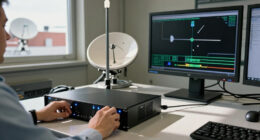
A receiver should be selected by frequency band, physical format, antenna arrangement, telemetry needs, and compatibility with the rest of the radio system. Range figures should never replace sound installation and operating practices: antenna condition, placement, interference, output settings, terrain, and line of sight can all influence the link. Builders evaluating this part can consult the roundup of ELRS receivers for reliable connectivity.
Video System, Camera, and Goggles
The FPV video system consists of the onboard camera, video transmitter, antennas, and viewing device. Analog and digital systems involve different tradeoffs in image character, latency, cost, weight, and ecosystem compatibility. The correct choice depends on whether the priority is racing response, visual clarity, compact installation, recorded footage, or compatibility with equipment already owned.
Video-transmitter cooling and legal output limits deserve attention. Antennas must use the correct connector and polarization, and they need secure placement away from propellers. The goggles or display should also be treated as a long-term ecosystem choice because it can influence which video hardware makes sense across future aircraft.
As an affiliate, we earn on qualifying purchases.
Add Navigation and Recovery Features Thoughtfully
FPV drones can incorporate GPS modules to provide location, speed, distance, and other data to compatible flight software. Depending on the complete configuration, that information may support navigation displays or recovery-related functions. A GPS module is not a substitute for piloting skill, reliable radio equipment, or responsible preflight planning.
Module size, supported satellite systems, update behavior, antenna orientation, electrical connections, and mounting position all matter. Electrical noise and nearby transmitters can affect reception, so placement may be as important as the component itself. The guide to the best GPS modules for FPV drones helps narrow the options for navigation-oriented builds.
camera drone with stabilized gimbal
As an affiliate, we earn on qualifying purchases.
As an affiliate, we earn on qualifying purchases.
Choose a Controller That Fits the Aircraft
The word “controller” can describe very different devices. FPV pilots usually rely on radio transmitters with sticks, switches, a configurable operating system, and either an internal or external radio-frequency module. Consumer camera drones may instead use dedicated controllers built around a manufacturer’s aircraft ecosystem, sometimes with an integrated display.
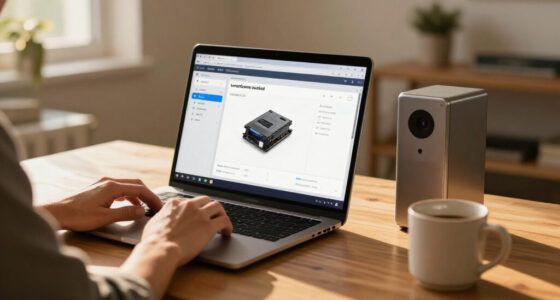
Before buying, check aircraft compatibility, transmission-system support, ergonomics, display approach, battery strategy, available controls, and software-update requirements. An integrated screen can simplify field setup, while a phone-based controller may reduce the amount of dedicated hardware. Neither approach is universally superior. The appropriate choice depends on the aircraft, workflow, and places where it will be used. For systems centered on supported camera drones, compare the best smart drone controllers.
cinewhoop drone for cinematic footage
As an affiliate, we earn on qualifying purchases.
As an affiliate, we earn on qualifying purchases.
Prepare for Building, Repair, and Maintenance
FPV ownership often involves hands-on maintenance. Even a well-built aircraft may eventually need a propeller replaced, an antenna remounted, a wire repaired, or a component transferred to a new frame. The quality of the workbench setup influences both reliability and safety.
A useful toolkit may include appropriately sized drivers, soldering equipment, cutters, tweezers, heat-shrink supplies, electrical measurement tools, and small-part storage. The exact selection depends on whether the pilot is assembling complete quads or performing basic field repairs. Anyone setting up a first bench can use the guide to FPV build tool kits as a practical checklist.
Good assembly habits matter as much as the tools:
- Confirm component pinouts instead of relying only on wire colors.
- Inspect solder joints for bridges, loose strands, and insufficient bonding.
- Check continuity before connecting a battery to a new build.
- Secure wiring so it cannot reach motors or propellers.
- Protect antennas without trapping them against noisy electronics.
- Remove propellers during configuration and motor-direction checks.
- Keep batteries in suitable condition and retire visibly damaged packs.
Use a Better Buying Framework
Drone specifications are easiest to interpret when they are tied to a real operating scenario. Begin by defining where the aircraft will fly, what it needs to carry or record, how much setup is acceptable, and which equipment is already owned. This turns a vague search for the “best drone” into a manageable compatibility and workflow decision.
Evaluate the Whole System Cost
The aircraft is only part of the setup. A usable system may also require a controller, goggles, batteries, charger, storage media, spare propellers, tools, cases, or replacement parts. Some packages include several of these items; others assume the pilot already owns them. Compare what is actually included and identify missing essentials before making a decision.
Prioritize Compatibility Over Isolated Performance
A highly specified component has little value if it does not fit the frame, support the battery voltage, communicate with the receiver protocol, or integrate with the selected video ecosystem. Check dimensions, mounting patterns, connectors, firmware, frequency bands, electrical limits, and regional restrictions. For upgrades, document the current setup before purchasing a replacement.
Consider Repairability and Support
Availability of replacement parts can matter more over time than a minor specification advantage. Look for accessible documentation, clear firmware procedures, replaceable wear items, and an active support path. FPV builders should also consider whether solder pads and mounting hardware remain serviceable after installation.
Fly Safely and Legally
Drone rules vary by country and may also differ according to aircraft weight, flight purpose, location, altitude, or proximity to people and infrastructure. Requirements can change, so pilots should consult the current aviation authority and local restrictions before flying. Registration, identification, training, or authorization may apply to a particular operation.
Every flight should begin with a basic risk check. Inspect the aircraft and propellers, confirm battery condition, verify control and video links, review the weather, and identify a safe takeoff area. Keep people, animals, roads, and property in mind. Camera use also carries privacy responsibilities even when the aircraft itself is being flown legally.
Plan a Sensible Path Through the Hobby
Beginners do not need to master every subsystem immediately. A ready-to-fly FPV kit can provide a structured introduction, while a stabilized camera drone may be the more direct route for aerial photography. After gaining experience, pilots can decide whether custom builds, cinewhoops, smart controllers, or navigation upgrades solve a genuine need.
A practical progression is to learn controls in a simulator or controlled environment, establish consistent preflight habits, and then expand the system one goal at a time. Study flight-controller stacks when preparing a build, receiver options when refining the radio link, and GPS hardware when the aircraft and firmware can use it appropriately. This goal-led approach keeps the technology understandable and makes each upgrade part of a coherent flying system.
Fall Picks
fall essentials
As an affiliate, we earn on qualifying purchases.