TL;DR

Get the latest gadgets delivered free — and shop member deals
- Fast, free delivery on millions of items
- Access to Prime Big Deal Days deals on October 6–7
- Prime Video, Amazon Music and more included
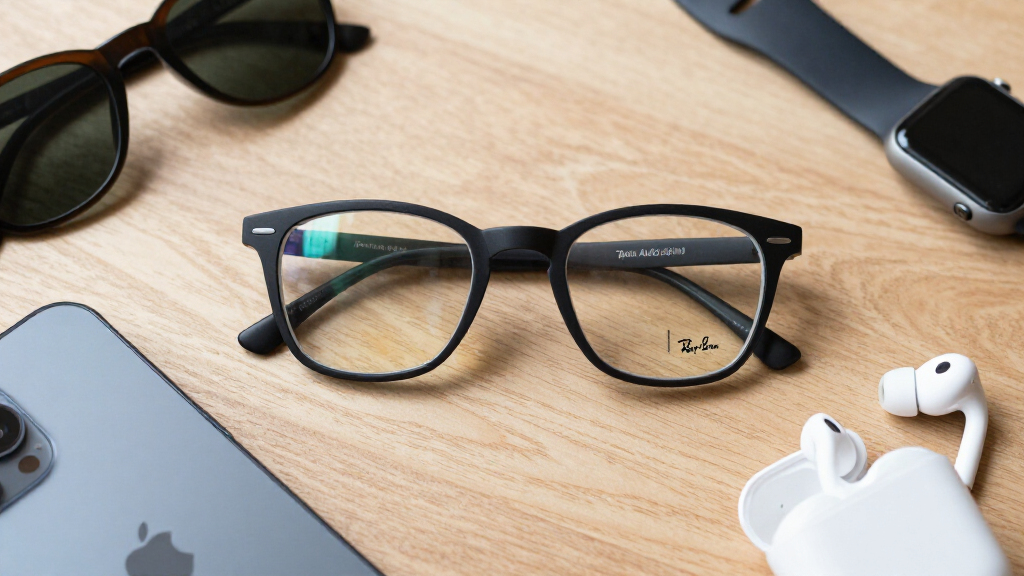
Ray-Ban has introduced its latest smart eyewear, including the Ray-Ban Meta Audio and several new AI glasses styles. The announcement signals an expansion in AI-integrated fashion tech, though details remain limited.
Ray-Ban has unveiled its latest lineup of smart glasses, including the Ray-Ban Meta Audio and several new AI-enhanced styles, in a move to expand its presence in wearable technology. The company confirmed the release during a press event, emphasizing its focus on combining fashion and functionality. This development is notable as it reflects ongoing industry trends toward integrating artificial intelligence and audio capabilities into everyday accessories, appealing to consumers seeking both style and tech features.
The Ray-Ban Meta Audio glasses feature built-in audio technology designed for seamless listening experiences without traditional earbuds, according to the company’s official statement. Alongside this, Ray-Ban introduced additional styles of AI glasses that incorporate voice recognition, contextual awareness, and customizable features, aiming to enhance user interaction with digital environments. The company indicated that these products are part of a broader strategy to embed AI functionalities into fashion accessories, though specific technical specifications and availability dates remain undisclosed.
Sources familiar with the matter suggest that the new glasses may leverage advancements in miniaturized AI chips and audio components, allowing for more discreet and integrated devices. However, Ray-Ban has not yet confirmed details such as pricing, geographic rollout, or compatibility with existing smart device ecosystems. Industry analysts note that this move aligns with broader trends in wearable tech, where brands are increasingly blending fashion with intelligent features.
Why Ray-Ban’s New Smart Glasses Matter for Wearable Tech
The introduction of the Ray-Ban Meta Audio and new AI styles signals a significant step in the evolution of smart eyewear, blending fashion with advanced technology. For consumers, this could mean more accessible, stylish options for hands-free communication, audio streaming, and contextual digital interaction. The move also indicates that major brands like Ray-Ban are betting on AI and audio integration as key drivers of future wearable tech growth, potentially influencing market standards and consumer expectations.
From a broader perspective, these developments could accelerate the adoption of AI-powered accessories, prompting competitors to innovate further. Additionally, the emphasis on design and discreet integration suggests a shift toward more consumer-friendly, everyday wearable devices that do not compromise style for functionality. For tech industry stakeholders, this underscores the importance of merging fashion and AI to capture a wider audience.
As an affiliate, we earn on qualifying purchases.
Industry Trends Driving AI-Enhanced Eyewear
The wearable tech market has seen consistent growth over recent years, with a notable increase in consumer interest in smart glasses and audio-enabled accessories. Previously, brands like Bose, Apple, and Snap have launched various smart eyewear products, often emphasizing fitness, communication, or augmented reality features. Ray-Ban’s parent company, Luxottica, has long partnered with tech firms to develop stylish frames integrated with technology, making it a leader in fashion-forward wearable devices.
Recent coverage spikes in searches for AI glasses and smart eyewear reflect rising consumer curiosity, driven by advancements in miniaturized AI chips, improved audio tech, and the desire for seamless digital integration. While exact timelines and product details remain unconfirmed, industry insiders suggest that the trend toward AI-powered, fashionable eyewear is gaining momentum, with major brands positioning themselves for future market share.
As an affiliate, we earn on qualifying purchases.
Details on Product Specs and Market Launch Still Unclear
Specific technical details, including hardware specifications, pricing, and regional availability of the Ray-Ban Meta Audio and new AI glasses styles, have not been officially disclosed. It is also unclear whether these products will be compatible with existing smart device ecosystems or if they will feature proprietary platforms. Industry sources suggest that further official information may be announced in the coming months, but at present, many aspects remain unconfirmed.
Ray-Ban AI glasses with voice recognition
As an affiliate, we earn on qualifying purchases.
As an affiliate, we earn on qualifying purchases.
Next Steps and Expected Announcements from Ray-Ban
Ray-Ban is expected to provide additional details about the new glasses at upcoming product launches or industry events. Watch for official specifications, pricing, and regional rollout plans, which could be announced within the next quarter. Meanwhile, competitors are likely to accelerate their own AI eyewear development, intensifying the market competition. Consumers and industry watchers should stay tuned for updates on availability and integration features in the near future.
discreet audio glasses for listening
As an affiliate, we earn on qualifying purchases.
As an affiliate, we earn on qualifying purchases.
Key Questions
When will the Ray-Ban Meta Audio glasses be available for purchase?
Ray-Ban has not yet announced specific release dates. Expect further details in upcoming official communications or product launches within the next few months.
What features will the new AI glasses include?
According to initial statements, the glasses will feature voice recognition, contextual awareness, and integrated audio capabilities, but detailed specifications are still pending official confirmation.
Will these glasses be compatible with my smartphone?
Compatibility details have not been disclosed yet. It is likely that Ray-Ban will design these glasses to work with popular smartphone ecosystems, but official confirmation is awaited.
How do these new glasses compare to existing smart eyewear?
While specifics are unclear, Ray-Ban’s focus on style and discreet AI integration suggests these glasses aim to blend fashion with advanced features, potentially offering a more consumer-friendly experience than some existing models.
Source: rss
Evergreen bestsellers Picks
bestsellers
As an affiliate, we earn on qualifying purchases.