
TL;DR

Get the latest gadgets delivered free with Prime
- Fast, free delivery on millions of items
- Prime Video, Amazon Music and more included
- Member-only deals all year
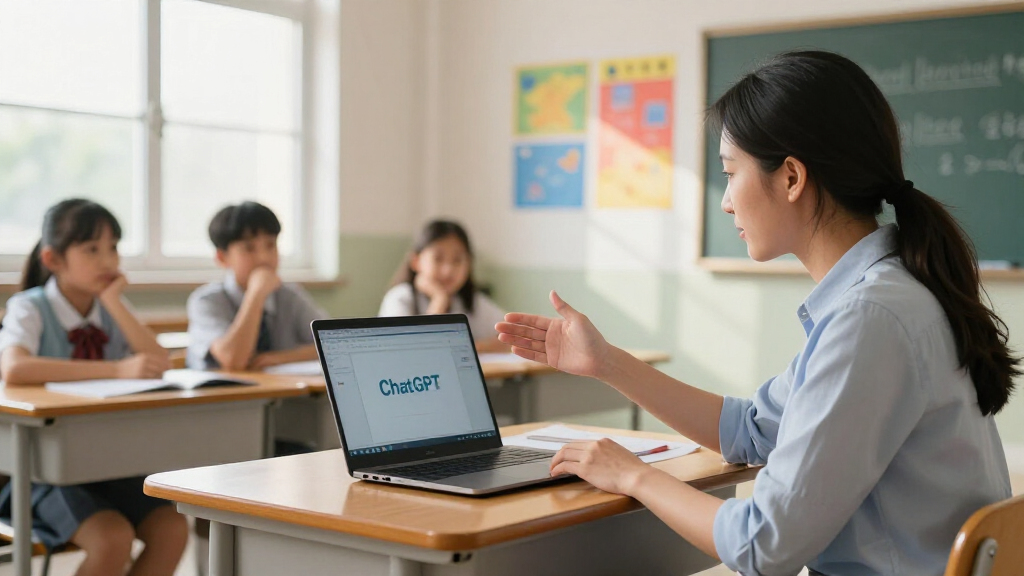
OpenAI is expanding access to its free ChatGPT for Teachers workspace across more U.S. school districts. This move aims to embed AI tools into daily classroom workflows, impacting teacher workload and educational practices amid ongoing policy discussions.
OpenAI has announced the expansion of its free ChatGPT for Teachers workspace to additional school districts across the United States. This development marks a significant step in integrating AI tools into K-12 education, aiming to support teachers with lesson planning, grading, and student feedback. The move responds to rising demand from educators and signals a shift from pilot programs to broader district-level adoption, despite ongoing debates about AI’s role in classrooms.
The ChatGPT for Teachers workspace offers educators access to OpenAI’s advanced AI models, tailored specifically for classroom tasks. According to OpenAI, teachers use it for drafting lesson plans, creating quizzes, adjusting reading levels, and providing feedback on student writing. Unlike the general ChatGPT product, this dedicated workspace is designed for teacher use, with accounts provisioned at the district level, enabling shared, managed environments for staff.
This expansion reflects OpenAI’s response to increasing demand from schools already employing the tools. Teachers report saving time on administrative tasks, allowing more focus on instruction. The initiative is part of OpenAI’s broader effort to embed AI into education infrastructure, positioning itself as a leading provider amid competition from Google, Microsoft, and startups. However, specific details about which districts are included, the number of teachers involved, and the timeline remain undisclosed, with no clarity on data privacy or long-term impacts.
Implications of Widespread AI Adoption in Schools
This expansion could significantly alter the daily workflow of teachers by automating time-consuming tasks such as lesson planning and grading. As AI tools become more embedded in classrooms, the potential exists to reduce workload and improve instructional differentiation. However, reliance on a single vendor raises questions about data privacy, long-term costs, and whether AI enhances or hampers student learning outcomes. The move also intensifies competition among major tech companies seeking to establish dominance in educational AI markets, shaping future policies and practices in schools.
AI lesson planning tools for teachers
As an affiliate, we earn on qualifying purchases.
As an affiliate, we earn on qualifying purchases.
Growth of AI Tools in U.S. Education
Since the launch of ChatGPT in late 2022, schools have shown varied responses to AI integration. Initial reactions included outright bans due to cheating concerns, but over time, districts have shifted toward structured adoption, especially for teacher-facing tools. OpenAI’s early efforts included classroom guides and dedicated workspaces, focusing on tasks with lower integrity risks. The current expansion builds on this foundation, moving from early pilots to a broader, district-level deployment, reflecting a recognition of AI’s potential to support educators amid ongoing policy debates about student use of AI.
grading automation software for schools
As an affiliate, we earn on qualifying purchases.
As an affiliate, we earn on qualifying purchases.
Details of District Rollout and Usage Data
Several key specifics remain unclear, including which districts are participating, how many teachers will have access, and the precise timeline for deployment. OpenAI has not publicly disclosed usage statistics, privacy terms, or evaluation metrics for measuring impact on teaching quality or student outcomes. The long-term effects of AI-assisted instruction are still under study, and independent research on efficacy remains limited.
As an affiliate, we earn on qualifying purchases.
Upcoming District Implementations and Impact Studies
Expect individual districts to announce their adoption plans and to begin integrating ChatGPT for Teachers into their workflows. Over the coming months, OpenAI may release more detailed data on usage, privacy policies, and effectiveness. Observers will look for formal evaluations of how AI tools influence teacher workload, instructional quality, and student learning, as well as policy responses to AI’s expanding role in classrooms.
educational quiz creation software
As an affiliate, we earn on qualifying purchases.
As an affiliate, we earn on qualifying purchases.
Key Questions
Which school districts are adopting ChatGPT for Teachers?
OpenAI has not publicly specified which districts are included in the current expansion, nor the number of teachers involved. Details are expected to be announced as districts adopt the tools.
How does ChatGPT for Teachers protect student and teacher data?
The privacy terms for district-level deployments are not yet fully disclosed. Schools and districts are advised to review OpenAI’s privacy policies and consider their own data governance policies before adoption.
Will AI tools improve student learning outcomes?
There is limited peer-reviewed research on the long-term impact of AI-assisted teaching. Most current evidence is anecdotal or based on self-reported time savings by teachers.
How will this expansion affect teacher workload and classroom instruction?
Initial reports suggest AI tools can reduce time spent on planning and grading, potentially allowing teachers to focus more on instruction. However, the actual impact will depend on implementation and ongoing evaluation.
Source: ThorstenMeyerAI.com
Halloween Picks
halloween
As an affiliate, we earn on qualifying purchases.