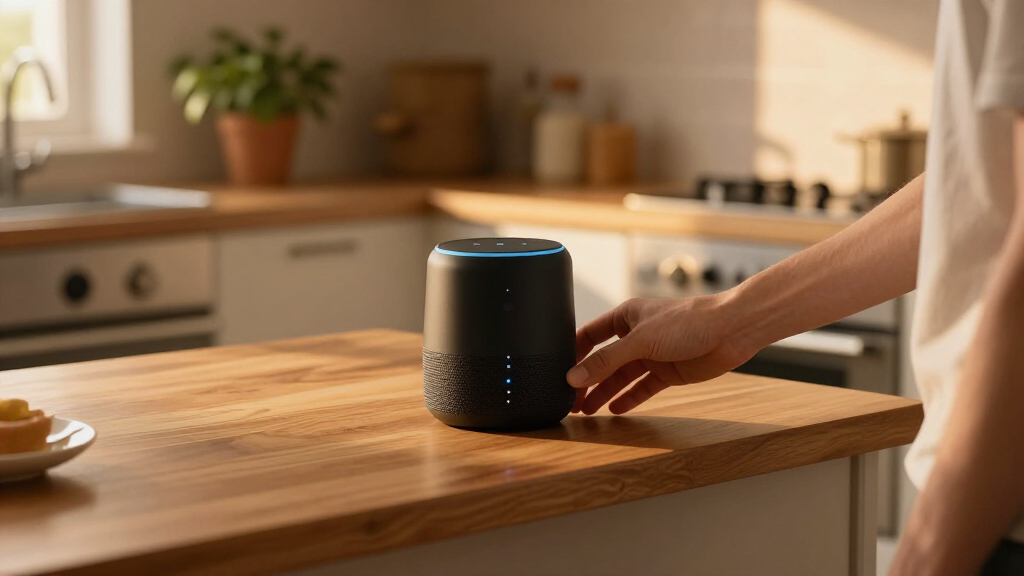

🔍 Read the full analysis: 12 AI Devices Set To Elevate Home Automation In 2026 on ThorstenMeyerAI.com

Get the latest gadgets delivered free with Prime
- Fast, free delivery on millions of items
- Prime Video, Amazon Music and more included
- Member-only deals all year
TL;DR
In 2026, twelve new AI-enabled devices are expected to significantly advance home automation. These range from local control hubs to DIY solutions, emphasizing privacy, ease of use, and customization.
Thirteen AI-powered home automation devices are set to debut in 2026, offering consumers a range of options from robust local control hubs to customizable DIY solutions. These innovations aim to enhance privacy, ease of use, and automation capabilities, marking a significant step forward in smart home technology.
The lineup includes the Hubitat Elevation C-8 Pro, known for its local processing and privacy focus. It processes commands on-site, reducing reliance on cloud services. Another key device is the Local AI Voices Command Processor, which enables voice control without internet dependence, though it still requires some setup for optimal use. DIY enthusiasts can turn to solutions like Raspberry Pi-based home automation systems, offering extensive customization but demanding technical expertise. Additionally, energy monitoring devices like the Home Energy Monitor Lite incorporate AI analysis to provide insights into power consumption, although their automation features remain limited. Bundles such as the SwitchBot AI hub with cameras integrate monitoring and control, but at a higher cost. These devices are evaluated based on AI processing location, integration ease, privacy, and value, aiming to serve a broad spectrum of users from beginners to advanced DIYers.
The 12 picks
- 1
 SwitchBot AI Hub Bundle with PTC Plus 5MP Camera, AI Smart Hub with OpenClaw…View on Amazon →
 - 2
 SwitchBot AI Hub with OpenClaw Support and Local Camera StorageView on Amazon →
 - 3
 Hubitat Elevation C-8 Pro Smart Home Hub, Local Control and AutomationsView on Amazon →
 - 4
 iSG Box SE ZB Smart Home Hub with Preinstalled Home AssistantView on Amazon →
 - 5
 AI-Powered Smart Home DevicesView on Amazon →
 - 6
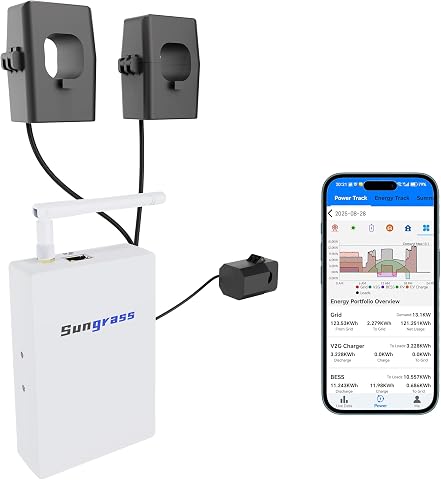 Home Energy Monitor Lite – Real-Time Electricity Usage & Power Consumption Me…View on Amazon →
 - 7
 iSG Box SE Smart Home Hub with Preinstalled Home AssistantView on Amazon →
 - 8
 AI-Powered Smart Home Guide 2026: A Step-by-Step Guide to Designing, Optimizi…View on Amazon →
 - 9
 Build Your Dream Smart Home with Raspberry Pi: The Complete DIY Guide to Crea…View on Amazon →
 - 10
 Speech Recognition Module for DIY Home Automation and RoboticsView on Amazon →
 - 11
 AI Powered Smart Home Guide for Beginners 2026View on Amazon →
 - 12
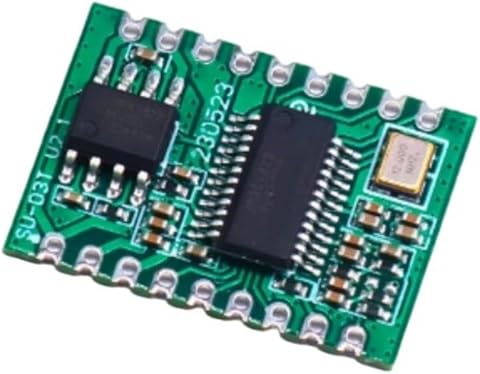 Local AI Voices Command Processor for Home Automation SystemsView on Amazon →
Implications of AI Devices for Future Home Automation
The upcoming wave of AI devices in 2026 underscores a shift toward greater privacy, customization, and local processing in smart homes. Devices like the Hubitat Elevation prioritize local control and data security, appealing to privacy-conscious users. DIY solutions enable extensive personalization but require technical skills, potentially limiting accessibility. The emphasis on AI processing—whether locally or via cloud—will influence user trust, system reliability, and data privacy. As these devices become more integrated, they could redefine how consumers interact with their living spaces, making automation more seamless and secure. However, the rapid evolution also raises questions about compatibility, standards, and long-term support, which are still developing.
Products Worth Considering

Samsung 27-inch Odyssey OLED G6 QD-OLED QHD Gaming Monitor

Jackery Explorer 2000 v2 Portable Power Station with Two 200W Solar Panels

Samsung 27-Inch Odyssey QD-OLED G8 4K 240Hz Gaming Monitor
As an affiliate, we earn on qualifying purchases.
Evolution of AI in Home Automation Leading to 2026
The integration of AI into home automation has been accelerating over the past few years, with devices increasingly offering smarter, more personalized experiences. Early models relied heavily on cloud processing, raising privacy concerns and latency issues. Recent trends, highlighted by products like the Hubitat Elevation C-8 Pro, focus on local AI processing to address these concerns. DIY solutions, such as Raspberry Pi-based systems, have gained popularity among tech-savvy users seeking customization. Additionally, energy management and security bundles with integrated AI are becoming more common, reflecting a broader push toward comprehensive smart home ecosystems. These developments set the stage for the 2026 device lineup, which aims to balance advanced AI capabilities with privacy and user control.
What Aspects of the 2026 AI Devices Are Still Unclear
While the lineup of 12 devices is announced, details about their final features, pricing, and availability remain uncertain. It is not yet clear how well these devices will integrate with existing smart home ecosystems or how they will handle data privacy in real-world scenarios. The extent of AI processing—whether primarily local or cloud-dependent—is still being clarified by manufacturers, and consumer adoption will depend heavily on ease of setup and cost. Additionally, the long-term support and interoperability standards for these devices are still evolving, which could influence their overall impact and user experience.
Next Steps for Consumers and Industry Stakeholders
Manufacturers are expected to start releasing these devices throughout 2026, with some preview events and beta programs already underway. Consumers should monitor product announcements, compare privacy features, and consider their technical comfort levels when choosing devices. Industry stakeholders will likely focus on establishing interoperability standards and expanding ecosystems to support these new AI solutions. Further updates about software updates, integration capabilities, and pricing will emerge as the rollout progresses, shaping the future landscape of home automation in the coming years.
Key Questions
Will these AI devices require internet connection to function?
Some devices, like the Hubitat Elevation C-8 Pro, are designed for local processing and can operate without internet. Others, particularly voice command processors, may depend on cloud connectivity for full AI features, though local options are available for privacy-focused users.
Are DIY solutions suitable for beginners?
DIY solutions like Raspberry Pi-based systems offer extensive customization but generally require technical skills in networking, programming, or hardware setup. Beginners may prefer plug-and-play hubs or integrated bundles with simpler setup processes.
How will these devices impact data privacy?
Devices with local AI processing provide better privacy by minimizing data sharing with third parties. Cloud-dependent devices may collect and transmit data for AI processing, raising privacy concerns that users should consider when choosing products.
What is the expected price range for these new devices?
Prices will vary widely, from affordable DIY setups to premium bundles with cameras and advanced AI features. Exact pricing details are still being announced, but affordability and value will be key factors influencing consumer choices.
Source: ThorstenMeyerAI.com