
TL;DR

Get the latest gadgets delivered free — and shop member deals
- Fast, free delivery on millions of items
- Access to Prime Big Deal Days deals on October 6–7
- Prime Video, Amazon Music and more included
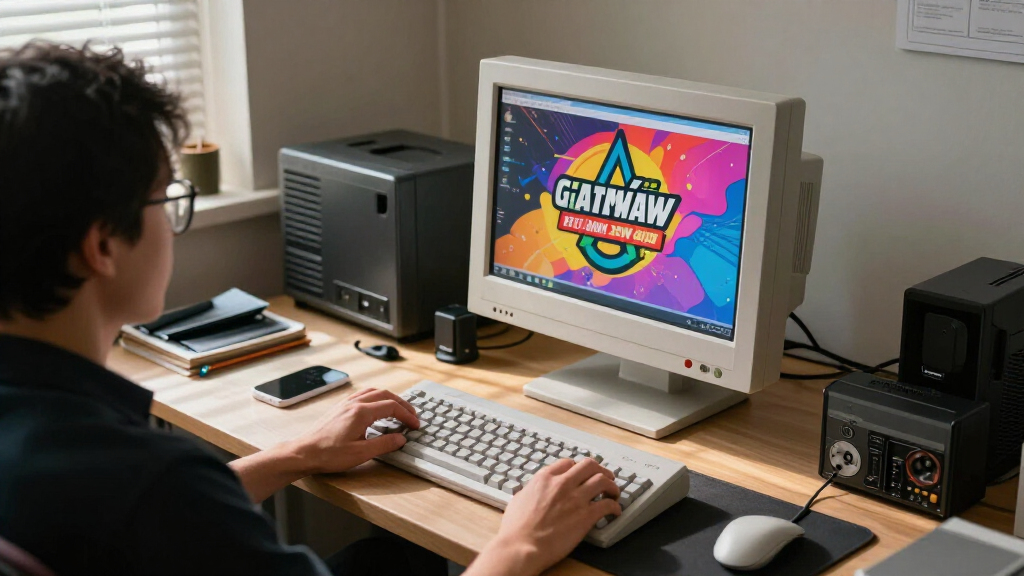
This article examines Gateway 2000’s notoriously poor ads from the 1990s, highlighting their humor and failure to connect with audiences. It explores how these ads affected the company’s reputation and what lessons were learned.
Gateway 2000’s advertising campaigns in the 1990s are remembered today for their unusual and often poor quality, which has become a subject of nostalgia and critique. The company’s ads, characterized by awkward scripts and bizarre visuals, failed to resonate with consumers and have become a notable example of marketing misjudgment from that era. This retrospective analysis highlights how these ads impacted Gateway’s brand image and what lessons can be drawn from their failures.
During the 1990s, Gateway 2000 launched a series of television and print ads that have since become infamous for their lack of professionalism and bizarre tone. These campaigns featured awkward dialogue, exaggerated claims, and a quirky mascot, often earning ridicule rather than praise.
One of the most well-known campaigns involved a spokesperson named ‘The Gateway Guy,’ whose awkward delivery and cheesy humor became a cultural touchstone for bad advertising. Despite attempts to create a memorable brand identity, these ads often alienated potential customers, leading to questions about Gateway’s marketing strategy.
Marketing experts and former employees have since reflected on these campaigns, noting that the ads’ failure to connect was partly due to a disconnect between the company’s intended image and consumer expectations. Some analysts suggest that the ads’ humor was unintentional, while others believe they were deliberately quirky but poorly executed.
Why Gateway’s 90s Ads Still Matter Today
The ads’ notoriety has made Gateway 2000 a case study in marketing failures, illustrating the importance of understanding audience perception and aligning advertising tone with brand identity. These campaigns serve as a cautionary tale for companies seeking to stand out through humor or eccentricity without losing credibility.
Despite their flaws, the ads have gained a cult following and are sometimes appreciated for their unintentional humor, reflecting changing perceptions of advertising standards. The case underscores the risks of unconventional marketing strategies and the importance of quality control in ad production.
advertising campaign analysis book
As an affiliate, we earn on qualifying purchases.
As an affiliate, we earn on qualifying purchases.
The Rise and Fall of Gateway 2000’s Advertising Strategy
Gateway 2000, founded in the late 1980s, initially gained recognition for its direct-to-consumer sales model and affordable computers. As the company expanded, it invested heavily in advertising to boost brand visibility. The 1990s saw Gateway adopt a quirky, irreverent approach, which included the infamous ads featuring ‘The Gateway Guy’ and other unconventional tactics.
While some campaigns temporarily boosted sales, the overall strategy was marred by inconsistent messaging and a failure to appeal to a broader audience. By the late 1990s, critics and consumers alike viewed Gateway’s advertising as a misstep, contributing to a decline in brand perception.
In subsequent years, Gateway shifted away from these tactics, adopting a more traditional and professional marketing approach, but the legacy of these early ads remains a notable chapter in tech advertising history.
1990s marketing campaign memorabilia
As an affiliate, we earn on qualifying purchases.
As an affiliate, we earn on qualifying purchases.
Unclear Long-Term Impact of the Campaigns
It remains uncertain how much these ads directly contributed to Gateway’s eventual decline, as multiple factors—including market competition and product issues—played a role. The precise extent of their influence on consumer perception is still debated among industry experts.
Additionally, there is limited data on internal decision-making processes behind the campaigns, leaving some questions about whether the ads were a strategic choice or a result of misjudgment.
As an affiliate, we earn on qualifying purchases.
Legacy and Lessons from Gateway’s Advertising Blunders
Researchers and marketing professionals continue to analyze Gateway’s 90s campaigns as part of broader studies on advertising failures. Future discussions may explore how modern brands can avoid similar pitfalls by understanding audience engagement and maintaining brand consistency.
There is also interest in how internet culture has re-evaluated these ads, turning them into nostalgic or humorous references, which could influence future marketing approaches or brand storytelling.
As an affiliate, we earn on qualifying purchases.
Key Questions
Why are Gateway 2000’s 90s ads considered so bad?
The ads are remembered for their awkward scripts, bizarre visuals, and inconsistent tone, which failed to connect with consumers and often became the subject of ridicule.
Did Gateway’s ads actually hurt their sales?
While direct causation is hard to prove, many analysts believe the poor advertising contributed to a negative brand perception, which impacted sales and reputation over time.
Are these ads still remembered today?
Yes, they have become a cultural reference point for marketing failures and are often shared online for their unintentional humor.
What lessons can modern marketers learn from Gateway’s 90s campaigns?
Marketers should ensure their campaigns align with brand identity, avoid over-reliance on gimmicks, and test their messaging to prevent alienating their target audience.
Source: hn
Fall Picks
fall essentials
As an affiliate, we earn on qualifying purchases.