TL;DR

Get the latest gadgets delivered free — and shop member deals
- Fast, free delivery on millions of items
- Access to Prime Big Deal Days deals on October 6–7
- Prime Video, Amazon Music and more included
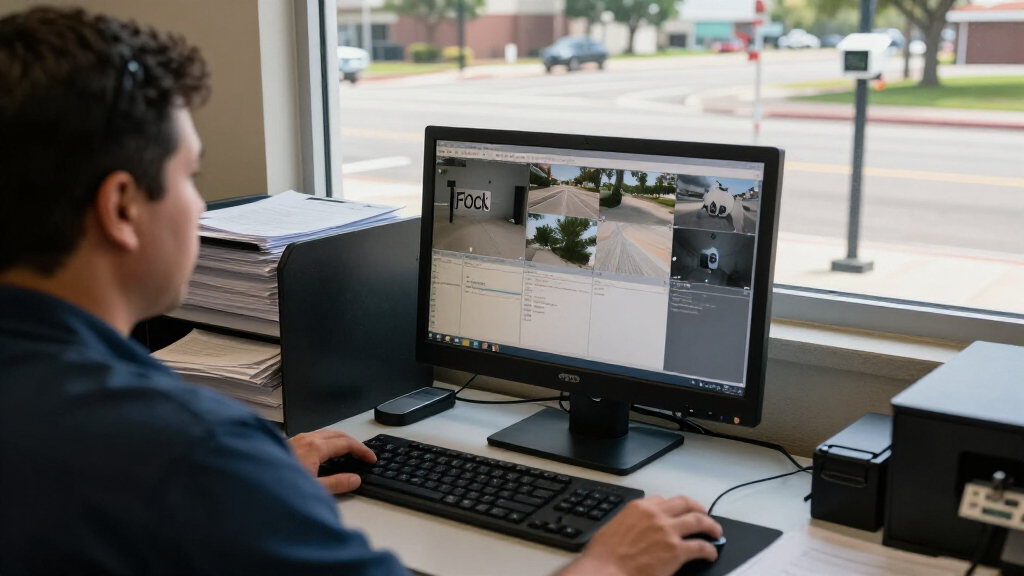
A Texas city has demanded about $2 million to fulfill a public records request concerning its use of Flock cameras, according to Ars Technica. The request highlights a wider transparency gap: the Texas Tribune reported that only 16 of the hundreds of Texas agencies using Flock share information through the company’s public-facing transparency portals.
A Texas city has demanded roughly $2 million to fulfill a public records request about its use of Flock surveillance cameras, according to Ars Technica. The reported estimate puts the cost of accessing basic information about the technology at the center of a wider debate over police surveillance and public transparency.
The records at issue concern how Flock’s automated license plate reader cameras are used. Requests for public records can help establish where cameras are placed, who can access footage or search data, how often police use the system, and how long information is retained. The supplied report does not specify which records were requested, how the city calculated its estimate, or whether the requester has challenged the charge.
Flock also offers agencies optional transparency portals that can publish program policies and statistics, such as camera totals, vehicle scans, and police searches. Flock spokesperson Andrew Smith told the Texas Tribune that the portals provide a public-facing way to share information about agencies’ automatic license plate reader programs, including their policies, usage, and access rules.
But participation is limited, according to figures cited by the Texas Tribune: 59 Texas agencies use the portals, and just 16 share data publicly. Those figures describe portal use, not the total number of agencies that make records available through other methods. The supplied material says hundreds of Texas agencies use Flock cameras.
The Cost of Seeing Police Camera Use
A multimillion-dollar estimate can make it difficult for residents, journalists, and advocacy groups to learn how a surveillance system is being used, even where public records laws provide a route to request information. The amount matters not only as a potential barrier to this particular request, but also because records can help communities evaluate the scope of camera coverage, data access, and retention.
Flock’s optional portals offer one route to public information, but the reported Texas figures show that most agencies using them do not share data through the portals. That leaves people dependent on agency-by-agency disclosure and records requests to examine practices. The source material does not establish that the city’s estimate violates records law or that the requested documents would demonstrate improper use.
Privacy advocates say the stakes could grow as agencies connect surveillance information with tools that make it easier to analyze movement patterns. Whether that will happen in this city, or what its current practices are, is not established by the information provided.
automated license plate reader camera
As an affiliate, we earn on qualifying purchases.
As an affiliate, we earn on qualifying purchases.
Texas Agencies and Flock Portals
Automated license plate readers capture vehicle plate information and can support searches across camera networks. Flock’s transparency portals are optional; they are not described in the source as a comprehensive public record of every search or use. Public records requests can therefore be a separate way to seek details that agencies have not posted voluntarily.
Legal and privacy concerns form part of the wider debate. The source says advocates have raised concerns about searches without warrants and the potential for movement data to be used in ways the public cannot readily see. It does not report a court ruling about this particular request or determine whether the Texas city’s camera use is unconstitutional.
Michael Soyfer, a lawyer at the Institute for Justice, has studied alleged Flock camera abuses and is litigating cases raising Fourth Amendment issues, according to 404 Media. His comments concern possible surveillance practices and future tools; they are not findings about the city named in the records dispute.
“The portals “give agencies a public-facing way to publish information about their [ALPR] programs, including policies, usage, and access rules to help communities better understand how the technology is being used.””
— Andrew Smith, Flock spokesperson, speaking to the Texas Tribune
surveillance camera with license plate recognition
As an affiliate, we earn on qualifying purchases.
As an affiliate, we earn on qualifying purchases.
The Request and Cost Dispute
The supplied report does not identify the Texas city, the requester, the exact scope of the records sought, or the method behind the $2 million estimate. It also does not say whether the city has formally invoiced the requester, offered a narrower search, or received an appeal or legal challenge. Without those details, the basis and status of the demand remain unclear.
It is also unknown whether the city publishes any relevant information through a Flock portal or other disclosure channel, and whether the requested records would answer questions about camera locations, searches, access, or retention. The figures on portal participation are statewide and do not establish what this specific city discloses.
The concerns about AI-assisted monitoring described by Soyfer are forward-looking claims. The source material does not confirm that Flock has implemented the particular alert system he described, or that the city uses it.
As an affiliate, we earn on qualifying purchases.
The Records Request’s Next Steps
The immediate question is whether the requester will pay the estimated fee, narrow the request, seek a revised cost estimate, or contest the charge under applicable public records procedures. The source material does not report a deadline or a next hearing, filing, or city decision.
Further details from the city or requester could clarify which records are sought, how the estimate was calculated, and whether any documents will be released. Until then, the reported demand signals a dispute over access, but does not establish what the records contain or how the cameras are being used.
As an affiliate, we earn on qualifying purchases.
Key Questions
Why is the Texas city seeking $2 million?
The reported amount is an estimate or demand to fulfill a public records request about the city’s Flock camera use. The supplied report does not explain the calculation or identify the records and labor included.
What information could the records request reveal?
Records could help clarify camera locations, access to footage or search data, frequency of police searches, and data retention. The exact scope of this request is not provided.
Do Flock transparency portals publish data from every Texas agency?
No. The Texas Tribune figures cited in the report say 59 Texas agencies use Flock transparency portals and 16 share data publicly. The portals are optional, and the figures do not describe every agency’s other disclosure practices.
Has the city’s camera use been found unlawful?
The supplied material does not report a legal finding about this city or its camera program. It describes broader privacy and Fourth Amendment concerns raised by advocates.
What happens to the request now?
The available information does not say whether the requester will pay, narrow the request, or challenge the estimated cost. A response from the city or requester would clarify the next step.
Source: hn
Evergreen bestsellers Picks
bestsellers
As an affiliate, we earn on qualifying purchases.