You need better pre-flight communication to guarantee safety, prevent accidents, and stay compliant with regulations. Clear coordination helps you verify equipment, share your flight plan, and identify potential hazards early. It also keeps everyone informed, reducing misunderstandings and legal risks. Good communication establishes a professional tone and increases the chances of a successful mission. If you want to learn more about how to improve your pre-flight checks and protocols, keep exploring these strategies.

Get the latest gadgets delivered free with Prime
- Fast, free delivery on millions of items
- Prime Video, Amazon Music and more included
- Member-only deals all year
Key Takeaways
- Ensures equipment functionality, reducing risks of malfunctions during flight.
- Clarifies flight plans and safety protocols, preventing misunderstandings and accidents.
- Facilitates regulatory compliance, avoiding penalties and legal issues.
- Enables real-time updates, allowing quick adjustments and maintaining safety.
- Promotes team coordination, enhancing overall safety and operational efficiency.

Effective pre-flight communication is essential for ensuring safety and coordination when operating a drone. As a professional drone operator, you understand that smooth communication before takeoff sets the tone for a successful flight. It helps you identify potential hazards, verify that all equipment is functioning correctly, and align your team’s actions with safety protocols. Prioritizing clear, concise communication minimizes misunderstandings and reduces the risk of accidents. When everyone involved is on the same page, you create an environment where aerial safety is the top concern, allowing you to focus on capturing high-quality footage or completing complex tasks without unnecessary interruptions.
Effective pre-flight communication ensures safety, coordination, and smooth operation for successful drone flights.
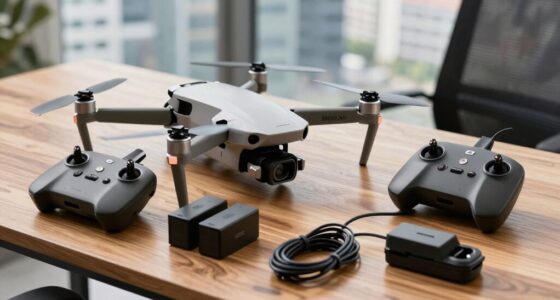
One of the most critical aspects of pre-flight preparation is conducting thorough equipment checks. You need to ensure that your drone, batteries, controllers, and other accessories are in optimal condition. Proper equipment checks involve inspecting propellers for damage, testing sensors, confirming firmware updates, and verifying GPS signals. When you communicate these checks with your team, you create a shared understanding of the drone’s readiness. This confirmation process prevents you from launching with faulty equipment, which could compromise safety and lead to costly delays or crashes. Efficient communication about equipment status also helps you troubleshoot potential issues before they escalate, saving you time and reducing risk.
Effective pre-flight communication also involves discussing the flight plan, including the designated flight zone, altitude limits, and any potential obstacles or restrictions. You should clearly communicate your intended route, emergency procedures, and contingency plans. This level of detail ensures everyone involved understands their roles and responsibilities, which is crucial for maintaining aerial safety. If you’re working with a team, this coordination allows members to assist with spotters, keep an eye on airspace, and respond swiftly to any unforeseen issues. Fostering open dialogue before takeoff can prevent miscommunications that might lead to unsafe situations or interference with other airspace users. Additionally, understanding airspace regulations is vital for compliance and safety during your operations. Incorporating standard communication protocols can further enhance clarity and coordination among team members, reducing the likelihood of missteps during the flight. Being aware of local restrictions can also help you avoid penalties and ensure a smooth operation.
Furthermore, establishing clear communication channels can facilitate real-time updates, allowing for quick adjustments during the flight if necessary. In addition, clear communication helps you stay compliant with local regulations and airspace rules. You should inform relevant authorities or ground personnel about your flight plans and obtain any necessary permissions. When you communicate proactively, you demonstrate professionalism and reduce legal risks that could arise from unauthorized flights. Overall, investing time in effective pre-flight communication ensures that your drone operations are safe, efficient, and aligned with industry standards. It’s an essential step that safeguards your equipment, your team, and the surrounding environment, enabling you to perform your tasks with confidence and precision.
professional drone pre-flight checklist
As an affiliate, we earn on qualifying purchases.
As an affiliate, we earn on qualifying purchases.
Frequently Asked Questions
How Can I Improve Communication With Ground Crew During Flights?
To improve communication with ground crew during flights, focus on clear, concise updates and establish a reliable method like radio or instant messaging. Prioritize pre-flight safety discussions to guarantee everyone understands their roles. Enhance crew coordination by using standardized signals and checklists. Regularly confirm the ground crew’s understanding, and encourage open feedback. These steps help prevent misunderstandings, guarantee safety, and keep everyone aligned throughout the drone operation.
What Are the Best Tools for Real-Time Flight Communication?
You should consider using dedicated radio systems like DJI’s Lightbridge or DJI Pilot app for real-time flight communication. These tools guarantee signal clarity, which is essential since 85% of drone accidents happen due to poor communication. Remember, good drone etiquette involves maintaining clear, consistent contact with ground crews to prevent mishaps. Using these tools helps keep communication seamless, promotes safety, and allows for quick responses during flights.
How Do Weather Conditions Affect Pre-Flight Communication Strategies?
Weather impact greatly influences your pre-flight communication strategies. You need to adapt your communication based on conditions like wind, rain, or fog, which can hinder signal clarity and safety. Clear, concise updates about weather changes ensure everyone stays informed and prepared. Incorporate contingency plans and real-time alerts to improve communication adaptation, helping you maintain control and safety throughout the drone operation, regardless of weather challenges.
What Legal Requirements Exist for Pre-Flight Communication With Authorities?
You need to clear the legal hurdles before takeoff, so stay on top of regulations and license requirements. You must communicate with authorities if your drone flight affects public safety or restricted airspace, ensuring regulatory compliance. Failing to do so can land you in hot water. Always notify local agencies, file necessary flight plans, and follow established protocols—being proactive keeps you out of trouble and the skies open for your mission.
How Can I Ensure Clear Communication in Noisy or Distracting Environments?
To guarantee clear communication in noisy or distracting environments, use visual signals like reflective vests or signal flags alongside radio protocols. Maintain a consistent communication plan, speaking clearly and confirming messages. Use hand signals or light signals when radio contact is compromised. Regularly test your equipment beforehand, and keep backup communication methods ready. This approach helps you stay connected with your team, even in challenging conditions.
drone equipment inspection tools
As an affiliate, we earn on qualifying purchases.
As an affiliate, we earn on qualifying purchases.
Conclusion
Clear pre-flight communication is your compass, guiding you safely through the skies. It’s the melody that keeps everyone in sync, preventing chaos from turning into a crash. When you speak with purpose and listen with intent, you build bridges over potential turbulence. Remember, a well-oiled communication chain transforms a solo flight into a harmonious dance. So, tighten your signals, align your crew, and let your words lift you smoothly into the sky’s endless canvas.
As an affiliate, we earn on qualifying purchases.
As an affiliate, we earn on qualifying purchases.
Halloween Picks
halloween
As an affiliate, we earn on qualifying purchases.