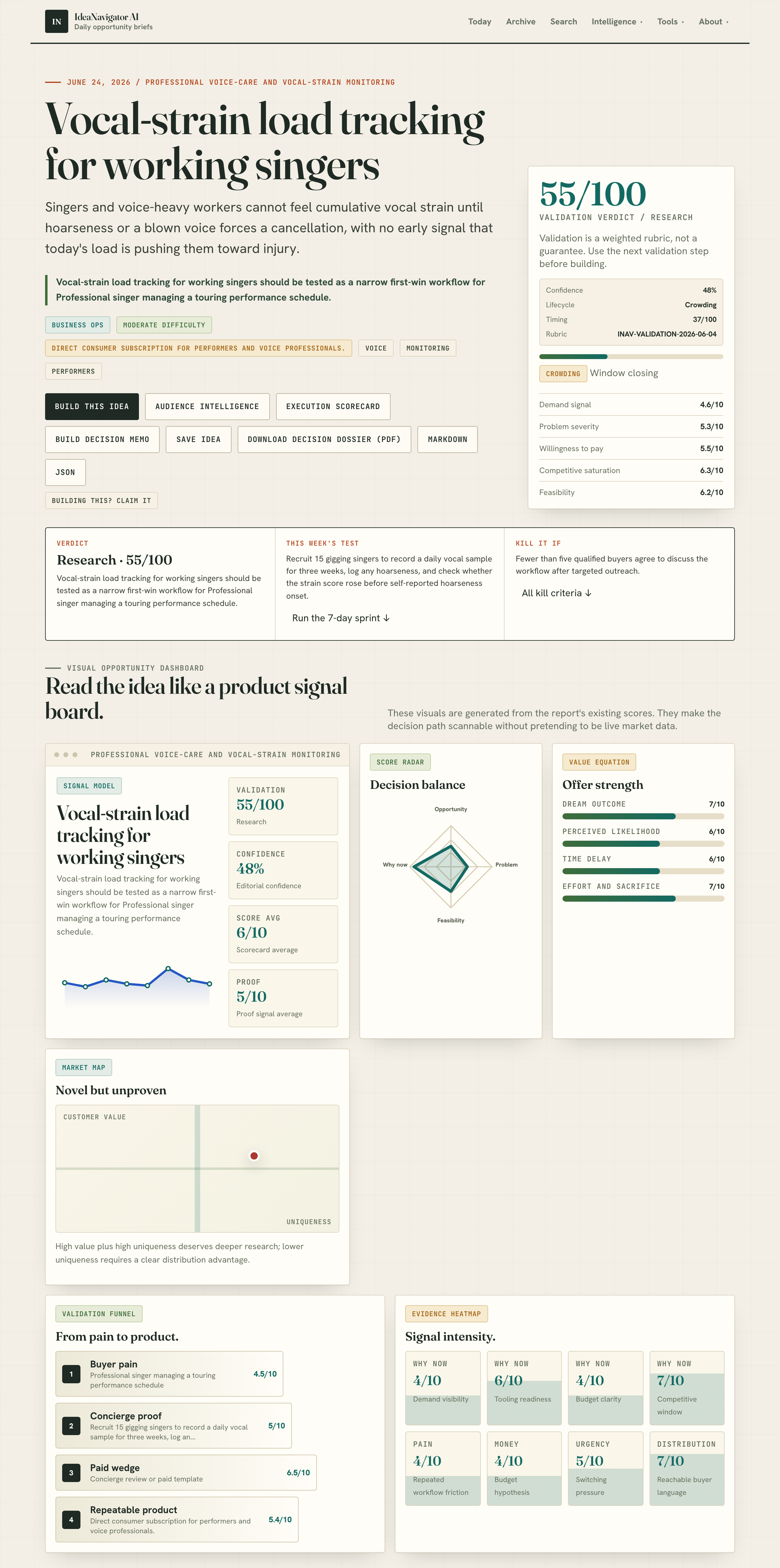
📊 Full opportunity report: Vocal-strain load tracking for working singers on IdeaNavigator AI — validation score, market gap, and execution plan.

Get the latest gadgets delivered free with Prime
- Fast, free delivery on millions of items
- Prime Video, Amazon Music and more included
- Member-only deals all year
TL;DR
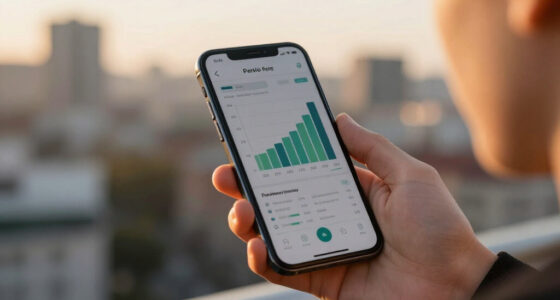
Researchers are developing a vocal load tracking app for touring singers to detect early signs of strain. The system records post-performance samples to alert users before hoarseness occurs, potentially reducing voice injuries.
A new vocal-strain load tracking system for working singers is entering early testing with professional performers to help prevent voice injuries during touring schedules.
The proposed system involves singers recording a short vocal sample after each performance, which the app analyzes to score cumulative vocal strain against their personal baseline. It flags tone shifts that have historically preceded hoarseness, offering early warnings to performers.
This approach aims to address a common problem among voice-heavy workers: the inability to feel early signs of strain until hoarseness or vocal failure occurs, often leading to cancellations or injuries. The app would also suggest warm-up routines based on the analysis.
Initial validation involves recruiting 15 gigging singers to record daily samples over three weeks, tracking whether the app’s strain scores rise before self-reported hoarseness, according to project sources.
Potential Impact on Vocal Health Management
If successful, this technology could significantly reduce voice injuries among touring singers by providing real-time, personalized feedback on vocal health. It could become an essential tool for voice professionals managing demanding schedules, especially as many now self-manage without immediate access to vocal coaches.
The system’s ability to detect early signs of strain before symptoms appear could lead to better long-term vocal health, fewer cancellations, and improved career longevity for performers.
Products Worth Considering

Samsung Odyssey OLED G8 34-Inch Curved Ultra WQHD Gaming Monitor

LG UltraGear 27G640A-B 27-Inch QHD IPS Gaming Monitor, 300Hz, 1ms, G-SYNC Compatible, FreeSync Premium, DisplayHDR 400, HDMI 2.1, USB-C, Adj

Samsung 27-Inch Odyssey G5 QHD Gaming Monitor (G51F)
As an affiliate, we earn on qualifying purchases.
Advances in Audio Analysis for Voice Care
Recent developments in on-device audio analysis enable smartphones to evaluate vocal characteristics after performances. This capability is now being explored for health monitoring, with applications in professional voice care. The idea is timely given the rise of gig-economy performers who often self-manage their schedules and lack immediate access to vocal health professionals.
Previous voice strain management relied on subjective self-assessment or periodic check-ins with specialists. The new approach aims to provide continuous, objective monitoring through an easy-to-use app, leveraging advances in machine learning and audio processing.
“Using post-performance vocal samples to track strain could be a game-changer in preventing injuries among touring singers.”
— an anonymous researcher
Unverified Effectiveness of Strain Prediction
It remains unclear whether the app’s strain scores can consistently predict impending hoarseness across different voices and performance styles. The validation study is ongoing, and results are not yet available.
Further research is needed to confirm the accuracy and reliability of the early warning signals before broader deployment.
Next Steps in Validation and Development
The project team plans to complete the initial testing phase with the 15 singers over the next few months. They will analyze whether the app’s strain scores correlate with self-reported hoarseness and refine the algorithm accordingly.
If results are promising, a larger-scale trial will follow, potentially leading to commercial availability for professional voice users within the next year.
Key Questions
How does the vocal load tracking app work?
The app records a short vocal sample after each performance, analyzes it to assess vocal strain, and flags potential risks based on changes from the performer’s baseline. It also suggests warm-up routines to reduce strain.
Can this app prevent voice injuries?
If validated, the app could help prevent injuries by providing early warnings before symptoms like hoarseness develop, allowing singers to adjust their schedules or warm-up routines accordingly.
Who is testing this technology?
The initial validation involves 15 gigging singers participating in a three-week study to evaluate the app’s effectiveness in real-world conditions.
When will this technology be available commercially?
Pending successful validation, a commercial version could be available within the next year, targeting professional singers and voice professionals.
What are the limitations of this approach?
The main uncertainties involve whether the app’s strain scoring can reliably predict hoarseness across different voices and performance contexts. Further testing is needed to confirm its accuracy.
Source: IdeaNavigator AI