
TL;DR

Get the latest gadgets delivered free — and shop member deals
- Fast, free delivery on millions of items
- Access to Prime Big Deal Days deals on October 6–7
- Prime Video, Amazon Music and more included
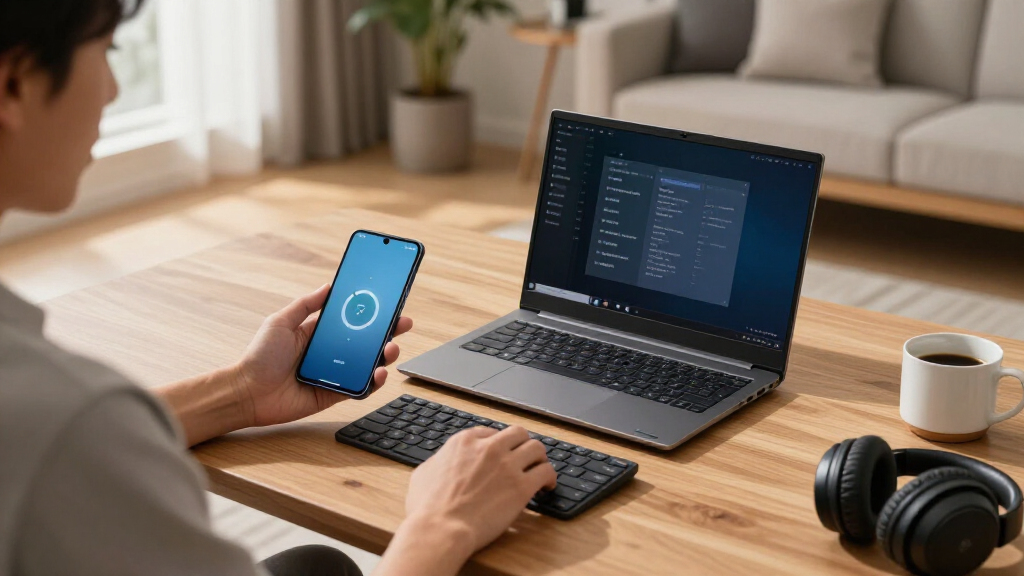
A user has publicly announced they are switching their smartphone from Android to a Linux-based operating system. This marks a personal move towards open-source mobile software. The development underscores growing interest in Linux on mobile devices, though widespread adoption remains uncertain.
A user has publicly announced they are switching their smartphone from Android to a Linux-based operating system. This decision highlights the increasing interest in open-source mobile alternatives and could influence others considering similar transitions. The move is notable because Android dominates the mobile OS market, and Linux-based options are still niche.
The individual, who has not been named publicly, stated on a tech forum that they are replacing their Android device with a phone running a Linux-based OS, such as /e/OS or Ubuntu Touch. They cited privacy concerns, customization options, and control over software as primary motivations. The transition involves installing a Linux mobile OS on their existing device or purchasing a compatible device designed for Linux.
While Android holds approximately 70% of the global smartphone market, Linux-based mobile operating systems are still in development and have limited hardware support. The user’s decision is part of a broader movement among tech enthusiasts advocating for open-source alternatives to proprietary systems.
Experts note that this shift, while significant for individual users, currently affects a small segment of the market. Widespread adoption of Linux on smartphones remains unlikely in the immediate future due to hardware limitations and app ecosystem constraints, but it signals ongoing interest in alternative OS options.
Impact of Personal Choice on Mobile OS Diversity
This move underscores the growing desire among some users for privacy-focused, customizable, open-source mobile operating systems. Although individual, such decisions can inspire others and contribute to the diversification of the mobile OS landscape. It also highlights challenges faced by Linux-based mobile OS projects in gaining mainstream traction, such as hardware compatibility and app availability.
Linux-based mobile OS compatible smartphones
As an affiliate, we earn on qualifying purchases.
As an affiliate, we earn on qualifying purchases.
Rise of Linux-Based Mobile Operating Systems
Linux-based mobile OS options like Ubuntu Touch and /e/OS have existed for several years but remain niche. They are often supported by small developer communities and are primarily used by enthusiasts seeking alternatives to proprietary systems. The broader market is dominated by Android and iOS, with Linux alternatives struggling to gain significant market share due to limited hardware support and app ecosystems.
This personal switch by an individual reflects a broader, though still limited, movement towards open-source mobile software. Previous attempts, such as Firefox OS and Tizen, have largely faded, but Linux-based projects continue to develop and attract dedicated users.
“I’m switching my phone from Android to Linux because I value privacy and control over my device.”
— the user
privacy-focused open-source smartphones
As an affiliate, we earn on qualifying purchases.
As an affiliate, we earn on qualifying purchases.
Extent of Hardware Compatibility and App Support
It is not yet clear how smoothly the user’s transition will proceed, especially regarding hardware compatibility and app availability. Linux-based mobile OSes often face limitations in supporting all hardware features of mainstream devices, and app ecosystems are less mature than Android’s.
Further details about the specific device, OS version, and usability post-transition remain unavailable, making it uncertain how practical or sustainable this switch will be for the user in the long term.
customizable Linux mobile OS devices
As an affiliate, we earn on qualifying purchases.
As an affiliate, we earn on qualifying purchases.
Potential Influence on Open-Source Mobile Adoption
Following this announcement, the user may share updates on their experience, which could influence others interested in open-source mobile OS options. Additionally, developers and community members involved in Linux mobile projects may see increased interest or engagement.
Wider adoption depends on improvements in hardware support, app ecosystems, and user experience, which are ongoing areas of development within Linux mobile communities. Observers will watch for how many similar personal transitions occur and whether they lead to broader adoption trends.
smartphones supporting Ubuntu Touch or /e/OS
As an affiliate, we earn on qualifying purchases.
As an affiliate, we earn on qualifying purchases.
Key Questions
Why is switching to a Linux-based mobile OS significant?
It highlights growing interest in privacy, customization, and open-source alternatives to proprietary systems, even if such options are still niche.
What challenges might this user face after switching?
Potential issues include limited hardware support, fewer available apps, and possible usability hurdles compared to mainstream OSes like Android.
Could this influence other users to switch?
While individual choices can inspire others, widespread impact depends on improvements in Linux mobile OS development and community support.
Is this switch permanent or temporary?
Details are not yet clear, but the user’s ongoing experience will determine whether they continue with Linux or revert to Android later.
Source: hn
Fall Picks
fall essentials
As an affiliate, we earn on qualifying purchases.