
Finding a value GPU for VR can be challenging, especially when balancing performance and affordability. The ASUS Dual GeForce RTX 3050 stands out as the overall best due to its solid 6GB GDDR6 memory and reliable performance for most VR titles. The XFX Radeon RX 7600 offers competitive performance at a lower price point, making it an attractive choice for budget-conscious gamers. However, buyers face tradeoffs between slightly lower frame rates and higher-priced options with more VR headroom. Continue reading for a detailed breakdown of these options and what makes each one unique.

Get the latest gadgets delivered free with Prime
- Fast, free delivery on millions of items
- Prime Video, Amazon Music and more included
- Member-only deals all year
Complete the kit



Key Takeaways
- The RTX 3060 Ti provides a significant performance boost at a moderate price, making it ideal for serious VR gamers on a budget.
- AMD’s RX 7600 and RX 7700 XT offer compelling value, especially with larger VRAM pools, but may struggle with demanding titles at the highest settings.
- Older models like the GTX 1660 and GTX 1070 still hold up for entry-level VR, but they lack the features and power needed for smoother experiences in newer titles.
- VR-specific performance depends heavily on both GPU VRAM and driver optimization; higher VRAM tends to support better performance in high-resolution VR headsets.
- Price fluctuations and market availability can significantly impact value, so consider timing and potential bundles or discounts.
| ASUS Dual GeForce RTX 3050 6GB GDDR6 OC Edition Gaming Graphics Card | 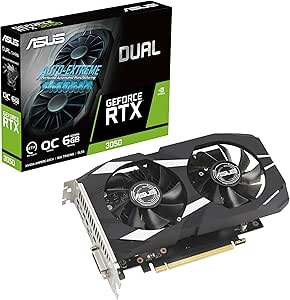 | Best Value for Entry-Level VR Enthusiasts | GPU: GeForce RTX 3050 | Memory: 6GB GDDR6 | Boost Clock: 1500 MHz (OC Mode), 1470 MHz (Default) | VIEW ON AMAZON | See Our Full Breakdown |
| XFX Speedster SWFT210 Radeon RX 7600 Graphics Card with 8GB GDDR6 |  | Best for High-Performance Budget VR Gaming | Chipset: AMD RX 7600 | Memory: 8GB GDDR6 | Cooling Solution: Dual Fan | VIEW ON AMAZON | See Our Full Breakdown |
| ZOTAC GAMING GeForce RTX 3060 Ti Twin Edge OC LHR 8GB GDDR6 Graphics Card |  | Best for High-Quality VR with Advanced Features | GPU Architecture: NVIDIA Ampere | Memory: 8GB GDDR6 | Memory Interface: 256-bit | VIEW ON AMAZON | See Our Full Breakdown |
| MSI Gaming GeForce RTX 2060 6GB GDDR6 Graphics Card |  | Best for High-Resolution VR in a Compact Setup | Memory Size: 6GB | Memory Type: GDDR6 | Memory Interface: 192-bit | VIEW ON AMAZON | See Our Full Breakdown |
| MSI Gaming GeForce RTX 2080 8GB GDDR6 VR Ready Graphics Card (RTX 2080 Gaming X Trio) (Renewed) |  | Premium VR Performance at a Lower Cost via Refurbishment | Chipset: NVIDIA GeForce RTX 2080 | Video Memory: 8GB GDDR6 | Memory Interface: 256-bit | VIEW ON AMAZON | See Our Full Breakdown |
| ASRock Radeon RX 9060 XT Challenger 16GB OC Graphics Card |  | Best Overall for High-Performance VR and 1440p Gaming | GPU Architecture: RDNA 4 | Memory: 16GB GDDR6 | Memory Interface: 128-bit | VIEW ON AMAZON | See Our Full Breakdown |
| MSI Gaming GeForce RTX 2060 6GB GDDR6 Graphics Card |  | Best for VR Beginners and Mid-Range 1440p Gaming | Chipset: NVIDIA GeForce RTX 2060 | Boost Clock: 1710 MHz | Power Consumption: 160 W | VIEW ON AMAZON | See Our Full Breakdown |
| MSI Gaming GeForce GTX 1660 6GB GDDR5 Graphics Card |  | Best Budget-Friendly VR Card for Entry-Level Gaming | Chipset: NVIDIA GeForce GTX 1660 | Boost Clock: 1860 MHz | Memory Interface: 128-bit | VIEW ON AMAZON | See Our Full Breakdown |
| GIGABYTE Radeon RX 9070 XT Gaming OC 16G Graphics Card |  | Best Premium for High-Performance VR and 4K Gaming | Model: GV-R9070XTGAMING OC-16GD | Memory: 16GB GDDR6 | Interface: PCIe 5.0 | VIEW ON AMAZON | See Our Full Breakdown |
| GIGABYTE GeForce GTX 1070 G1 Gaming Video/Graphics Card |  | Best for High-Resolution, Multi-Display VR Setups | Memory: 8GB GDDR5 | Memory Interface: 256-bit | Core Clock: 1822 MHz (OC mode) | VIEW ON AMAZON | See Our Full Breakdown |
| ASRock Radeon RX 7700 XT Challenger 12GB OC Graphics Card |  | Best Overall Value for VR and Gaming | Architecture: AMD RDNA 3 | Compute Units: 54 | Memory: 12GB GDDR6 | VIEW ON AMAZON | See Our Full Breakdown |
| ASUS GeForce GTX 1060 6GB Dual-Fan OC Edition VR Ready Graphics Card |  | Best Budget-Friendly VR GPU | Boost Clock: 1809 MHz | Memory: 6GB GDDR5 | VR Ready: Yes | VIEW ON AMAZON | See Our Full Breakdown |
| value gpu for vr | Boost Clock | Memory | Memory Interface |
|---|---|---|---|
| ASUS Dual GeForce RTX 3050 6GB | 1500 MHz (OC Mode), 1470 MHz (Default) | 6GB GDDR6 | — |
| XFX Speedster SWFT210 Radeon R | Up to 2655 MHz | 8GB GDDR6 | — |
| ZOTAC GAMING GeForce RTX 3060 | 1695 MHz | 8GB GDDR6 | 256-bit |
| MSI Gaming GeForce RTX 2060 6G | 1710 MHz | — | 192-bit |
| MSI Gaming GeForce RTX 2080 8G | — | — | 256-bit |
| ASRock Radeon RX 9060 XT Chall | 3290 MHz | 16GB GDDR6 | 128-bit |
| MSI Gaming GeForce RTX 2060 6G | 1710 MHz | — | 192-bit |
| MSI Gaming GeForce GTX 1660 6G | 1860 MHz | — | 128-bit |
| GIGABYTE Radeon RX 9070 XT Gam | — | 16GB GDDR6 | — |
| GIGABYTE GeForce GTX 1070 G1 G | — | 8GB GDDR5 | 256-bit |
| ASRock Radeon RX 7700 XT Chall | 2584 MHz | 12GB GDDR6 | — |
| ASUS GeForce GTX 1060 6GB Dual | 1809 MHz | 6GB GDDR5 | — |
More Details on Our Top Picks
ASUS Dual GeForce RTX 3050 6GB GDDR6 OC Edition Gaming Graphics Card
This model makes the most sense for budget-conscious gamers seeking solid VR performance without paying for high-end specs. Compared with the RTX 3060 Ti or 2080, the RTX 3050 offers less raw power, but its Ampere architecture with ray-tracing and AI capabilities still delivers a noticeable boost in VR realism at a more accessible price point. Its axial-tech fan design improves cooling efficiency, helping maintain performance during extended VR sessions. However, the 2-slot design can limit airflow in smaller cases, and the boost clock in OC mode may require manual tuning to reach optimal performance. For those who prioritize cost and decent VR experience over top-tier performance, this card offers a balanced tradeoff.
Pros:- Solid ray-tracing and AI features for immersive VR effects
- Efficient axial-tech fan design improves cooling
- Durable stainless steel bracket and dust resistance
Cons:- Limited to 2-slot design which can restrict airflow in small cases
- OC boost clock may need manual tuning for peak performance
Best for: Entry-level VR users who want reliable performance without a high investment
Not ideal for: Power users seeking ultra-high frame rates or future-proofing for demanding VR titles
- GPU:GeForce RTX 3050
- Memory:6GB GDDR6
- Boost Clock:1500 MHz (OC Mode), 1470 MHz (Default)
- Design:2-slot
- Fan Design:Axial-tech
- Dust Resistance:IP5X
Our verdict“This card is a practical choice for budget-conscious VR gamers who value decent performance in a compact form factor.”
XFX Speedster SWFT210 Radeon RX 7600 Graphics Card with 8GB GDDR6
This card stands out for users who want a step up in VR performance without reaching into premium tiers. Its 8GB GDDR6 memory and boost clock up to 2655 MHz make it more capable than the MSI RTX 2060 or ASUS RTX 3050 for demanding VR titles, especially when handling high-res textures and complex scenes. The dual fan cooling system enhances thermal management, supporting sustained performance. Yet, the lack of detailed specifications and absence of customer ratings make it harder to gauge long-term reliability. Compared with the RTX 3060 Ti, it offers a better price-to-performance ratio for VR, but it might lack the raw power needed for future titles at ultra settings.
Pros:- 8GB GDDR6 memory for demanding VR content
- Effective dual fan cooling system
- High boost clock for better gaming performance
Cons:- Limited detailed specifications and reviews available
- No information on power or size requirements
Best for: Mid-range VR gamers seeking high value in gaming and rendering performance
Not ideal for: Users needing detailed specs or expecting extensive customer feedback before purchase
- Chipset:AMD RX 7600
- Memory:8GB GDDR6
- Cooling Solution:Dual Fan
- Boost Clock:Up to 2655 MHz
Our verdict“This card offers a compelling balance of performance and price for VR gamers on a budget looking for high frame rates.”
ZOTAC GAMING GeForce RTX 3060 Ti Twin Edge OC LHR 8GB GDDR6 Graphics Card
This card outperforms the RTX 3050 and RX 7600 in VR, thanks to the powerful Ampere architecture and 8GB GDDR6 memory, making it ideal for immersive experiences. Its real-time ray tracing and multiple display outputs support complex VR environments, while IceStorm 2.0 cooling ensures stable operation during extended sessions. The dual-slot design and 200W power draw are manageable for most mid-range systems, but the reduced hash rate due to LHR limits mining or other high-performance uses. Compared to the MSI RTX 2060 or older GTX models, the RTX 3060 Ti provides significantly better VR fidelity, though at a higher cost.
Pros:- Excellent real-time ray tracing for immersive VR
- IceStorm 2.0 cooling system maintains thermal stability
- Multiple display outputs support versatile VR setups
- VR ready with high performance
Cons:- Power consumption may require a stronger PSU
- Limited to dual-slot size, not suitable for small form factors
Best for: Enthusiasts seeking premium VR quality with reliable cooling and multiple outputs
Not ideal for: Budget buyers or those with small cases that can’t accommodate dual-slot cards
- GPU Architecture:NVIDIA Ampere
- Memory:8GB GDDR6
- Memory Interface:256-bit
- Boost Clock:1695 MHz
- Power Consumption:200W
Our verdict“This GPU is a strong choice for serious VR users who want top-tier visuals and reliable cooling without stepping into the highest price brackets.”
MSI Gaming GeForce RTX 2060 6GB GDDR6 Graphics Card
This card offers a good stepping stone for users who want VR support at a lower cost than the RTX 3060 Ti or RTX 2080. Its 6GB GDDR6 memory and support for resolutions up to 7680×4320 make it capable of handling high-quality VR visuals. The dual-fan cooling helps maintain stable performance, and multiple outputs provide flexible connectivity options. However, lacking detailed info on software or accessories and its relatively high power draw could be drawbacks for budget-conscious or upgrade-averse buyers. Compared to the RTX 2060 Super, this model provides similar VR performance but may lag in future VR titles that demand more GPU power.
Pros:- Supports real-time ray tracing for realistic VR lighting
- High maximum resolution support up to 7680×4320
- Multiple display outputs for versatile VR setups
- Dual-fan cooling ensures stable operation
Cons:- No mention of included software or accessories
- Potentially high power consumption for its class
Best for: Compact PC builders and budget-conscious users aiming for decent VR performance
Not ideal for: High-end VR enthusiasts or those needing future-proofing for demanding titles
- Memory Size:6GB
- Memory Type:GDDR6
- Memory Interface:192-bit
- Boost Clock:1710 MHz
- Max Resolution:7680×4320
Our verdict“This GPU is well-suited for VR users on a budget who prioritize resolution support and compact builds.”
MSI Gaming GeForce RTX 2080 8GB GDDR6 VR Ready Graphics Card (RTX 2080 Gaming X Trio) (Renewed)
This refreshed RTX 2080 offers high-end VR capabilities comparable to newer cards like the RTX 3060 Ti or RTX 3060 Ti but at a more affordable price point. Its 8GB GDDR6 memory and 256-bit interface support immersive, high-resolution VR experiences with multiple displays. The GPU’s clock speed of 2 GHz ensures strong performance, and the dual 8-pin power connectors are manageable for most systems, though they could limit upgrade flexibility. The renewed condition means potential concerns about longevity, but it provides a good option for those who want high performance without the latest purchase premium. Compared with the RTX 2060, the RTX 2080 delivers better VR quality and higher resolution support, but requires more power and space.
Pros:- Excellent high-resolution VR and gaming capabilities
- Supports multiple high-res displays simultaneously
- High clock speed ensures smooth VR experiences
- Refurbished condition lowers cost
Cons:- Requires two 8-pin power connectors, limiting compatibility
- Refurbished units may affect longevity and warranty
Best for: High-end VR gamers and enthusiasts seeking premium performance on a budget through refurbished options
Not ideal for: Budget shoppers or systems with limited power supply capacity
- Chipset:NVIDIA GeForce RTX 2080
- Video Memory:8GB GDDR6
- Memory Interface:256-bit
- GPU Clock Speed:2 GHz
- Max Resolution:Supports 4x Display Monitors
Our verdict“This GPU offers impressive VR performance for demanding users willing to consider refurbished hardware at a reduced cost.”
ASRock Radeon RX 9060 XT Challenger 16GB OC Graphics Card
The ASRock Radeon RX 9060 XT Challenger stands out for its high boost clock of up to 3290 MHz, making it ideal for smooth VR experiences and 1440p gaming. Compared to the GIGABYTE RX 9070 XT, it offers similar 16GB GDDR6 memory but with a more modest PCIe 4.0 interface, which may slightly limit data transfer speeds in future-proof setups. Its dual fans ensure silent operation, but the requirement for a 550W power supply and larger size mean it’s best suited to spacious cases with robust power. The two-slot design can limit compatibility in smaller builds, so users should check clearance before purchase. This card makes the most sense for gamers seeking a high-clock, large-memory GPU that balances performance and quiet operation, provided their case and power supply can support it.
Pros:- High boost clock for responsive gaming and VR performance
- Large 16GB GDDR6 memory supports modern and future titles
- Silent operation with effective dual fans
Cons:- Requires a chassis with ample clearance due to size
- Power supply must be at least 550W, limiting upgrade options
Best for: Enthusiasts wanting a reliable, high-speed VR card for 1440p and AI tasks in spacious setups.
Not ideal for: Small form factor builds or users with limited power supply capacity, due to its size and power requirements.
- GPU Architecture:RDNA 4
- Memory:16GB GDDR6
- Memory Interface:128-bit
- Boost Clock:3290 MHz
- Game Clock:2700 MHz
- Power Connector:1 x 8-pin
- Dimensions:249 mm x 132 mm x 41 mm
- Recommended Power Supply:550W
Our verdict“This card is a strong pick for those with spacious cases and robust power, prioritizing performance and silence.”
MSI Gaming GeForce RTX 2060 6GB GDDR6 Graphics Card
The MSI GeForce RTX 2060 offers a solid entry point for VR users, with 6GB GDDR6 memory and ray tracing support, making it more capable than the GTX 1660 in immersive experiences. It compares favorably to the GTX 1660 by adding ray tracing, but falls short of the RTX 3060 Ti or 9070 XT in raw performance. Its 1710 MHz boost clock helps deliver smooth VR sessions, though its lower VRAM might limit performance in demanding future titles. The multiple outputs support versatile setups, yet the power draw of 160W and lack of additional features might make it less appealing for those seeking the latest tech. This card makes sense for budget-conscious buyers prioritizing VR support without the need for ultra-high settings or future-proofing.
Pros:- Supports ray tracing and VR for immersive visuals
- Decent 6GB GDDR6 memory suitable for current titles
- Multiple display outputs for flexible setups
Cons:- Limited VRAM may hinder performance in future demanding games
- Higher power consumption compared to lower-tier cards
Best for: Entry-level VR users or gamers upgrading from older GPUs who want reliable performance without breaking the bank.
Not ideal for: Power users or those planning to run very demanding VR applications that require more VRAM and higher raw performance.
- Chipset:NVIDIA GeForce RTX 2060
- Boost Clock:1710 MHz
- Power Consumption:160 W
- Memory Interface:192-bit
- Video Memory:6GB GDDR6
- Outputs:DisplayPort x 3 (V1.4), HDMI 2.0B
Our verdict“Ideal for newcomers or budget-conscious VR gamers seeking dependable performance at a reasonable price.”
MSI Gaming GeForce GTX 1660 6GB GDDR5 Graphics Card
The MSI GTX 1660 is a straightforward option for VR beginners, with a 1860 MHz boost clock and 6GB GDDR5 memory that handles most VR titles at 1080p and some 1440p. Compared with the RTX 2060, it lacks ray tracing and the newer features but compensates with a lower price point. Its 128-bit interface is less than the 192-bit of the RTX 2060, which can impact bandwidth-heavy VR applications, yet it remains a capable, affordable choice. The dual fan setup helps keep temperatures in check but might be less effective under sustained load compared to higher-end models. This pick is best for users who want a cost-effective VR-ready GPU that covers current needs without requiring the latest tech or maximum settings.
Pros:- Affordable price for entry-level VR gaming
- Decent boost clock for smooth VR experiences
- Dual fans for effective cooling
Cons:- Limited VRAM may restrict future game performance
- Less powerful than newer RTX models for demanding VR titles
Best for: Budget-conscious gamers or VR newcomers with smaller cases and moderate performance expectations.
Not ideal for: Power users or those aiming for high-fidelity VR experiences with future titles demanding more VRAM and processing power.
- Chipset:NVIDIA GeForce GTX 1660
- Boost Clock:1860 MHz
- Memory Interface:128-bit
- Video Memory:6GB GDDR5
- Outputs:DisplayPort x 3 (V1.4), HDMI 2.0B
Our verdict“This GPU suits entry-level VR users prioritizing affordability and decent performance over cutting-edge features.”
GIGABYTE Radeon RX 9070 XT Gaming OC 16G Graphics Card
The GIGABYTE RX 9070 XT Gaming OC offers PCIe 5.0 support and a robust 16GB GDDR6, making it ideal for high-end VR setups and 4K gaming. Compared with the ASRock RX 9060 XT, it provides faster data transfer with PCIe 5.0 and a more advanced cooling system, making it better suited for sustained intensive workloads. The RGB lighting and high price tag are features for enthusiasts who want aesthetics and top-tier performance, but the lack of detailed power supply specs could be a concern for some. Its high-performance specs and advanced cooling make it a premium choice, though the investment is significant. This GPU makes the most sense for users seeking cutting-edge VR performance and future-proofing at a higher cost.
Pros:- Supports PCIe 5.0 for faster data transfer
- Large 16GB GDDR6 memory enhances high-resolution VR
- Advanced WINDFORCE cooling system for sustained performance
- Customizable RGB lighting adds aesthetic appeal
Cons:- High price may be prohibitive for some users
- Limited info on power requirements could pose compatibility issues
Best for: High-end gamers and VR enthusiasts who need maximum performance and are prepared to invest in a premium GPU.
Not ideal for: Budget buyers or users with limited space and less demanding VR needs, due to its high price and power requirements.
- Model:GV-R9070XTGAMING OC-16GD
- Memory:16GB GDDR6
- Interface:PCIe 5.0
- Cooling System:WINDFORCE
- Lighting:RGB
- Additional Features:Supports PCIe 5.0
Our verdict“Best suited for users demanding premium VR performance and willing to pay a premium for future-ready features.”
GIGABYTE GeForce GTX 1070 G1 Gaming Video/Graphics Card
The GIGABYTE GTX 1070 G1 Gaming combines a strong 8GB GDDR5 memory buffer with a 256-bit interface, making it capable of handling ultra-high resolutions and multi-monitor VR setups. Compared to the GTX 1660, it offers higher digital resolution support, up to 7680×4320, and multiple output options, including DisplayPort 1.4, HDMI 2.0b, and DVI-D. Its larger size demands sufficient case space, and its high power consumption could be a concern for some users. Although it’s slightly older, it still delivers reliable VR performance for demanding tasks, but it’s less energy-efficient than newer models. This card is well-suited for users with extensive multi-display VR setups who need high resolution and connectivity options.
Pros:- Supports digital resolutions up to 7680×4320
- Multiple high-quality display outputs
- Reliable high-performance gaming and VR support
Cons:- Large form factor may not fit in compact cases
- Higher power consumption compared to newer models
Best for: VR users with high-resolution, multi-monitor setups seeking maximum display connectivity and resolution.
Not ideal for: Smaller cases or users with limited power supply capacity, given its size and power needs.
- Memory:8GB GDDR5
- Memory Interface:256-bit
- Core Clock:1822 MHz (OC mode)
- Max Digital Resolution:7680×4320@60Hz
- Display Connectors:DP1.4 x 3, HDMI 2.0b, DVI-D
- Form Factor:Plug-in Card
Our verdict“Ideal for users with extensive multi-display VR setups who need maximum resolution and multiple outputs.”
ASRock Radeon RX 7700 XT Challenger 12GB OC Graphics Card
The ASRock Radeon RX 7700 XT Challenger offers a compelling mix of performance and price for VR enthusiasts who want more than just basic graphics. Its AMD RDNA 3 architecture and 12GB GDDR6 memory provide enough headroom for smooth VR experiences and high-resolution gaming, outperforming lower-tier options like the GTX 1060 in both raw power and future-proofing. The dual fan cooling system maintains low temperatures and quiet operation, making it suitable for extended VR sessions. However, compatibility can be an issue—some pre-built systems may not support dual 8-pin connectors without upgrades, and the card’s size might not fit smaller cases. Compared to more expensive options like the RTX 3060 Ti, this model hits a sweet spot in performance-to-value, making it ideal for gamers who want solid VR performance without overspending. The metal backplate enhances durability and heat dissipation, adding to its longevity. Still, it’s best suited for users with compatible systems and a bit of technical know-how.
Pros:- Excellent gaming and VR performance thanks to AMD RDNA 3 architecture
- Efficient dual-fan cooling ensures quiet operation during extended sessions
- Supports high-resolution and high-refresh-rate monitors for immersive VR
Cons:- Requires dual 8-pin power connectors, which might not be available in all systems
- Size may be incompatible with smaller cases, limiting upgrade options
Best for: VR gamers and content creators seeking high performance at a reasonable price, with room to upgrade in the future
Not ideal for: Pre-built system owners with limited power supply options or small cases, since it requires dual 8-pin connectors and ample space
- Architecture:AMD RDNA 3
- Compute Units:54
- Memory:12GB GDDR6
- Boost Clock:2584 MHz
- Game Clock:2226 MHz
- Memory Bus:192-bit
Our verdict“This card makes the most sense for VR users who want a high-performance AMD option with good future-proofing at a competitive price.”
ASUS GeForce GTX 1060 6GB Dual-Fan OC Edition VR Ready Graphics Card
The ASUS GeForce GTX 1060 6GB OC Edition stands out as an accessible choice for VR newcomers or those on a tight budget. Its 6GB GDDR5 memory and 1809 MHz boost clock deliver decent performance for entry-level VR experiences, especially compared with older cards like the GTX 1660. The dual-fan cooling keeps temperatures manageable and noise levels relatively low during lighter loads. Since it’s VR ready with dual HDMI 2.0 ports, it’s suitable for most basic VR headsets. However, being a renewed product, warranty support might be limited, and under more demanding VR titles or higher refresh rates, it may struggle to maintain smooth performance—an issue less likely with newer options like the RX 7700 XT. It’s a good pick for casual VR users or first-time buyers who prioritize affordability, but it won’t handle future-proofing or intensive VR applications well.
Pros:- Decent boost clock speed for solid gaming performance
- Dual-fan cooling for quieter operation compared to single-fan models
- Includes VR-optimized features and multiple HDMI ports for easy headset connection
Cons:- Renewed status may limit warranty and reliability
- Performance can lag behind modern GPUs in demanding VR scenarios
Best for: Beginner VR users or those with limited budgets who want reliable basic VR support
Not ideal for: Power users or serious gamers who need higher frame rates and more headroom for demanding VR titles, since it’s less capable in future-proofing
- Boost Clock:1809 MHz
- Memory:6GB GDDR5
- VR Ready:Yes
- Ports:Dual HDMI 2.0
- Technology:Auto-extreme
- Components:Aerospace-grade super alloy power II
Our verdict“This GPU is a sensible choice for entry-level VR users who need a cost-efficient but capable graphics card, with some compromises on longevity and future performance.”

How We Picked
The products in this roundup were selected based on a combination of performance benchmarks, VR suitability, price-to-value ratio, and build quality. We prioritized GPUs that deliver consistent VR performance without breaking the bank, focusing on models that balance power and affordability. The ranking reflects both raw performance in VR scenarios and long-term value, considering factors like future-proofing and compatibility. We excluded high-end models that target premium markets to keep the focus on budget-conscious options, ensuring every choice offers tangible savings while still supporting immersive VR experiences.Factors to Consider When Choosing Value Gpu For Vr
Choosing the right GPU for VR involves more than just looking at raw specs. Several factors influence how well a GPU will perform in VR environments, especially within a budget. Understanding these can help you avoid common pitfalls and make smarter investments that keep your VR experiences smooth and immersive without overspending.Performance and VRAM
VR performance depends heavily on GPU power and memory capacity. For most VR headsets, at least 6GB of VRAM is recommended, but 8GB or more offers better headroom for higher resolutions and future titles. A GPU with insufficient VRAM can cause stuttering or lower frame rates, which disrupt immersion. However, investing in a more powerful card than your current needs might lead to diminishing returns, so balance your expectations with your budget.
Price and Future-Proofing
While sticking to a budget is essential, consider potential future needs. A slightly higher investment now can extend your GPU’s relevance, especially if you plan to upgrade your VR headset or gaming resolution later. Watch for sales and discounts, as the market frequently shifts, making premium models more accessible temporarily. Remember, paying a little more for better VRAM or a more recent architecture can save you money in the long run by delaying upgrades.
Compatibility and System Balance
Your GPU doesn’t operate in isolation; it must work harmoniously with your CPU, RAM, and power supply. An underpowered CPU can bottleneck a capable GPU, limiting VR performance. Ensure your entire system is balanced, and check compatibility with your VR headset’s requirements. A mismatch can lead to subpar experiences, regardless of your GPU’s raw power.
Driver Support and Software Optimization
Reliable driver support and consistent updates are vital, especially for VR where stability is crucial. AMD and NVIDIA regularly optimize drivers for VR applications, but some models may lag behind in updates or stability. Reading user reviews and checking recent driver performance can help avoid issues like crashes or incompatibility that ruin immersion.
Tradeoffs and Market Considerations
Price fluctuations, availability, and market trends influence value. During shortages, even lower-tier GPUs can become expensive, reducing their appeal. Be aware of the current market conditions and consider waiting for sales or bundle deals. Also, recognize that some GPUs may lack features like HDMI 2.1 or DisplayPort 1.4, which are increasingly important for high-resolution VR headsets.
Frequently Asked Questions
Is 6GB of VRAM enough for VR gaming in 2026?
For most current VR titles, 6GB of VRAM is sufficient, especially at 1080p or mid-range resolutions. However, as VR headsets adopt higher resolutions and more detailed textures, having 8GB or more can provide a smoother experience and better future-proofing. If you plan to play newer or more demanding titles, opting for a GPU with at least 8GB of VRAM is advisable to avoid performance bottlenecks.
Should I prioritize raw power or price when choosing a GPU for VR?
It depends on your gaming goals and budget. If you want a smoother, more immersive experience in demanding titles, investing in a slightly more powerful GPU usually pays off. However, if you’re on a tight budget, choosing a GPU that meets minimum VR requirements and offers good value can still deliver enjoyable VR experiences without overspending. Balancing performance and cost is key, especially as newer games push hardware limits.
Can older GPUs like the GTX 1660 handle VR in 2026?
Older GPUs like the GTX 1660 can still run many VR titles at lower settings, making them suitable for entry-level setups. However, they may struggle with higher resolutions or more complex environments as VR demands increase. If your budget limits you, these cards can serve well temporarily, but upgrading sooner rather than later will improve VR quality and reduce frustrations caused by frame drops or latency.
What features should I look for in a budget GPU for VR?
Key features include at least 6GB of VRAM, support for HDMI 2.0 or DisplayPort 1.4, and a capable architecture tailored for gaming. Good driver support and efficient power consumption also matter, as they improve stability and reduce operating costs. Avoid older models without recent driver updates, as they may not optimize well for new VR software or hardware interfaces.
Is it worth waiting for market discounts or new releases?
Absolutely. Market conditions can fluctuate, and waiting for seasonal sales or new GPU launches often yields better deals. New releases may also introduce more efficient architectures, providing better performance at similar or lower prices. Keeping an eye on the market can help you secure a more capable GPU within your budget, especially when supply chain issues or shortages affect prices temporarily.
Conclusion
For most gamers prioritizing overall value, the ASUS Dual GeForce RTX 3050 offers a balanced mix of performance, VRAM, and affordability. Budget-conscious users will find the XFX Radeon RX 7600 and MSI GTX 1660 suitable options, with the tradeoff of lower performance in high-demand titles. Those seeking slightly more future-proofing and smoother VR experiences might consider the ZOTAC RTX 3060 Ti, which balances cost and power well. Beginners aiming for casual VR gaming should focus on models with reliable driver support and moderate specs, while enthusiasts should look at higher-tier options when willing to invest more for better long-term performance.
As an affiliate, we earn on qualifying purchases.Halloween Picks
halloween