
TL;DR

Get the latest gadgets delivered free — and shop member deals
- Fast, free delivery on millions of items
- Access to Prime Big Deal Days deals on October 6–7
- Prime Video, Amazon Music and more included
Search and coverage interest in the history of Tetris, the iconic puzzle game created in the Soviet Union in 1984, is spiking online. The reason for the renewed attention is not yet confirmed, but the game’s complex story of creation, rights disputes, and global spread continues to fascinate.
Online interest in the history of Tetris, the iconic puzzle game created in the Soviet Union in 1984, is spiking, according to search and coverage trend data. The cause of the renewed attention is not yet confirmed, but the game’s murky journey from a Moscow computer lab to global dominance remains a compelling story of Cold War-era technology and intellectual property battles.
Tetris was created by Alexey Pajitnov, a computer scientist at the Dorodnitsyn Computing Centre of the Soviet Academy of Sciences. He developed the game on an Electronika 60 computer, inspired by the mathematical puzzle game pentominoes. The game spread through floppy disks across the Soviet Union before reaching the West, where it became a commercial phenomenon.
The game’s rights history is notoriously complex. The Soviet government claimed ownership, and a series of deals with companies like Nintendo, Atari, and Mirrorsoft led to legal disputes. Pajitnov himself did not receive royalties for years, as the Soviet state controlled the game’s licensing. He later regained rights and co-founded The Tetris Company in 1996.
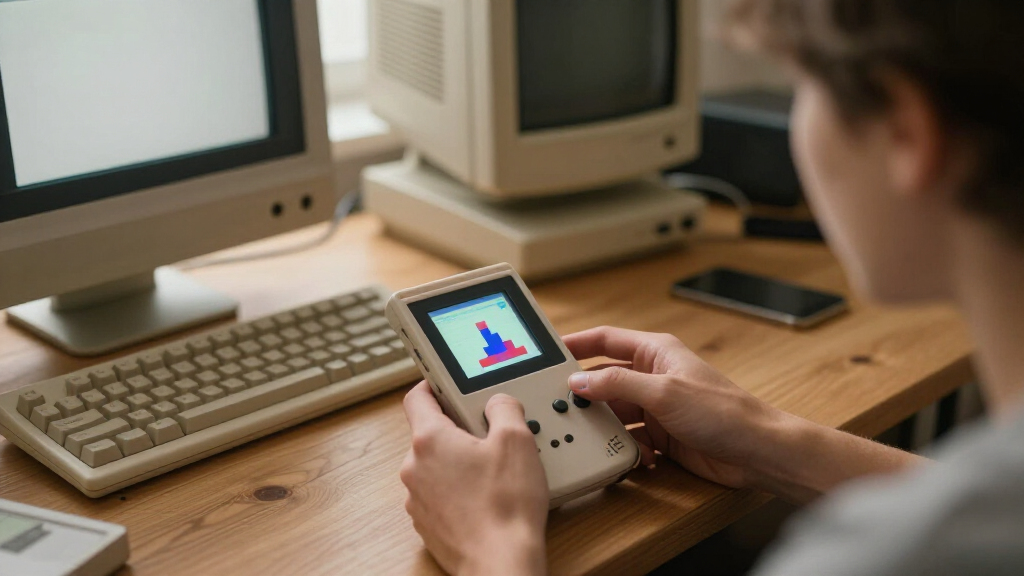
Tetris became one of the best-selling video games of all time, particularly after it was bundled with the Nintendo Game Boy in 1989. Its enduring popularity has made it a cultural touchstone, referenced in music, film, and academic studies of game design.
Tetris’s Enduring Cultural and Legal Legacy
The renewed interest in Tetris’s history matters because the game is more than a pastime. It is a symbol of cross-border exchange during a period of intense geopolitical division, and its story illustrates the challenges of intellectual property in the digital age. The game’s success also shaped the modern video game industry, influencing how games are licensed, distributed, and monetized.
For many readers, Tetris is a familiar name, but its origins are often misunderstood. Understanding the game’s Soviet roots and the legal battles that followed provides insight into how a simple puzzle became a global phenomenon.
Top picks for "murky history soviet"
As an affiliate, we earn on qualifying purchases.
From Soviet Labs to Global Screens
Tetris was created in 1984, but it took years to reach Western audiences. After circulating on floppy disks in Moscow, the game was brought to Hungary and then to the West, where it caught the attention of software companies. The rights were licensed multiple times, leading to conflicting claims. In 1989, Nintendo secured the rights for the Game Boy, a move that cemented Tetris’s place in gaming history.
Pajitnov emigrated to the United States in 1991 and later worked for Microsoft. He and his business partner Henk Rogers founded The Tetris Company to manage the game’s intellectual property. Today, Tetris is available on nearly every gaming platform and has been adapted into films, books, and even a musical.
Why Interest Is Spiking Now
The specific trigger for the current surge in interest is unconfirmed. It could be tied to an upcoming anniversary, a new documentary, a viral social media post, or a retrospective article. No official announcement or event has been linked to the spike as of this writing.
It is also unclear whether the interest is a short-term trend or a sustained shift. Search data and coverage metrics indicate a rise, but the underlying cause remains unknown. Without a confirmed trigger, it is difficult to predict how long the attention will last.
Where the Story Goes From Here
As interest in Tetris’s history grows, more readers may seek out detailed accounts of its creation and legal battles. If the spike is tied to a specific event, that connection may become clear in the coming days. Otherwise, the game’s story will continue to be a subject of fascination for historians, gamers, and technology enthusiasts.
For now, the renewed attention serves as a reminder of Tetris’s lasting impact. Whether the trend fades or leads to new discussions, the game’s legacy is secure.
Key Questions
Who created Tetris?
Tetris was created by Alexey Pajitnov, a Soviet computer scientist, in 1984 while working at the Dorodnitsyn Computing Centre in Moscow.
Why is Tetris’s history considered murky?
The game’s rights were licensed multiple times by different companies, leading to legal disputes between the Soviet government, Nintendo, Atari, and others. Pajitnov did not receive royalties for years because the Soviet state controlled the game’s ownership.
How did Tetris become so popular?
Tetris became widely popular after it was bundled with the Nintendo Game Boy in 1989, making it a must-have game for millions of handheld console owners.
Is there a new Tetris-related announcement?
No official announcement has been confirmed. The current spike in interest appears to be organic, but the specific trigger is unknown.
Where can I learn more about Tetris’s history?
Several books and documentaries cover Tetris’s history, including the 2023 film Tetris and the book The Tetris Effect by Dan Ackerman. These provide detailed accounts of the game’s creation and legal battles.
Source: hn
Fall Picks
fall essentials
As an affiliate, we earn on qualifying purchases.