
TL;DR

Get the latest gadgets delivered free — and shop member deals
- Fast, free delivery on millions of items
- Access to Prime Big Deal Days deals on October 6–7
- Prime Video, Amazon Music and more included
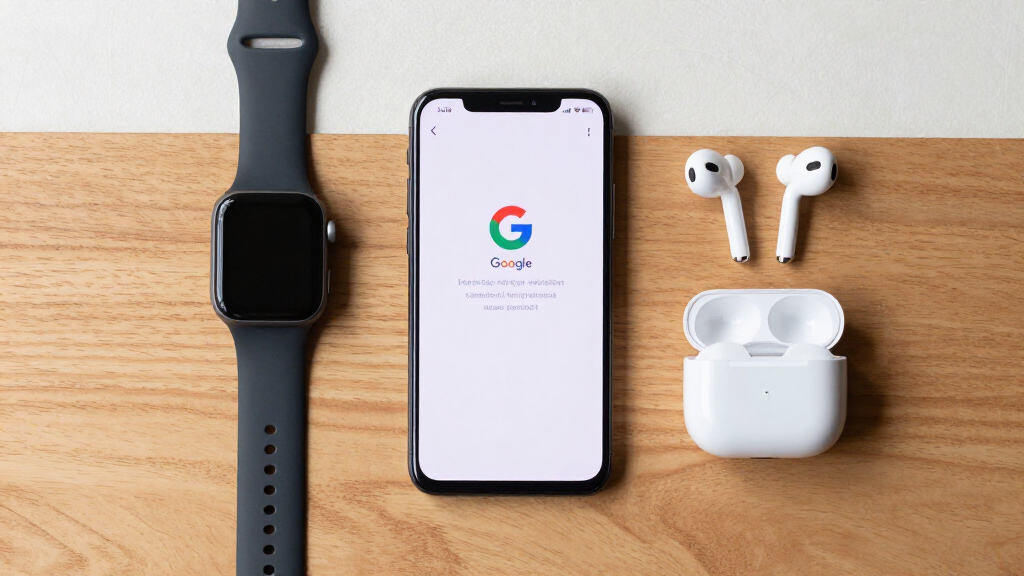
Google will expand its age verification system on Android devices worldwide by the end of 2023. This move aims to improve child safety and restrict access to age-inappropriate content. Details on implementation and scope are still emerging.
Google will expand its age verification system on Android devices worldwide by the end of 2023, aiming to improve safety for young users and restrict access to age-inappropriate content. The company stated this move is part of its broader effort to enhance digital safety and comply with emerging regulations globally.
Google announced in October 2023 that it will extend its age check features on Android devices to all markets worldwide by the end of this year. The system requires users to verify their age during setup or app downloads, using methods such as ID verification or biometric checks, depending on regional regulations and device capabilities.
According to Google, this expansion is designed to help parents and guardians better control what children can access on Android devices, aligning with global efforts to protect minors online. The company emphasized that the feature will be integrated into the latest Android versions and will be available across its app ecosystem, including Google Play and other pre-installed apps.
Google did not specify exact technical details or the full list of verification methods to be used in each region but confirmed that the initiative is part of its ongoing commitment to online safety and compliance with local laws.
Impact of Global Age Checks on Android Users
This expansion could significantly influence how minors access digital content across the world, potentially reducing exposure to inappropriate material. It also demonstrates Google’s response to increasing regulatory pressure and societal concerns about online safety for children. For parents, this may offer better tools for managing their children’s device usage.
However, the move also raises questions about privacy, data security, and the potential for increased user friction during device setup. The effectiveness of the verification methods and their acceptance in different regions remain to be seen, making this a noteworthy development in digital safety policy.
As an affiliate, we earn on qualifying purchases.
Background on Google’s Age Verification Efforts
Google introduced initial age verification features on Android in 2021, focusing primarily on the United States and select European countries. These measures aimed to restrict access to certain content and enable parental controls. The rollout was part of broader industry efforts to comply with regulations such as the UK’s Age Appropriate Design Code and similar laws in other jurisdictions.
Over the past two years, Google has gradually expanded these features, with plans announced earlier in 2023 to scale the system globally. The current announcement extends that timeline, signaling a commitment to universal implementation by the end of this year. The initiative aligns with global trends toward increased regulation of online platforms to protect minors.
“We are committed to making Android safer for children worldwide by expanding our age verification features across all markets by the end of 2023.”
— Google spokesperson
As an affiliate, we earn on qualifying purchases.
Unanswered Questions About Implementation and Privacy
It remains unclear exactly which verification methods will be used in each region, how user privacy will be protected, and how effective the system will be in preventing underage access. Details on enforcement and user experience are still emerging, and regional legal variations could influence deployment.
As an affiliate, we earn on qualifying purchases.
Next Steps for Google’s Age Verification Rollout
Google is expected to begin rolling out the updated age check features in the coming weeks, with a full global deployment by December 2023. Monitoring will focus on user adoption, privacy safeguards, and regulatory compliance. Further updates from Google are anticipated as the rollout progresses and more details become available.
As an affiliate, we earn on qualifying purchases.
Key Questions
How will Google verify users’ ages on Android?
Google plans to use methods such as ID verification, biometric checks, and device-based signals, depending on regional laws and device capabilities. Specific methods may vary by country.
Will this affect how I set up my Android device?
Yes, users may be prompted to verify their age during device setup or app downloads, especially for access to certain content or features.
Does this mean my privacy will be compromised?
Google states that privacy safeguards will be in place, but details on data handling are still forthcoming. Users should review regional privacy policies once the feature is implemented.
Is this mandatory for all Android devices?
While Google is expanding the system globally, the specific requirements may depend on regional laws and device manufacturers’ implementation choices.
Will this prevent all underage access to content?
While it aims to reduce underage access, no verification system is foolproof. The effectiveness will depend on implementation and user compliance.
Source: hn
Fall Picks
fall essentials
As an affiliate, we earn on qualifying purchases.