
TL;DR
Listen free for 30 days with Audible
Thousands of audiobooks and originals — cancel anytime.
Start your free trialAs an affiliate, we earn on qualifying purchases.
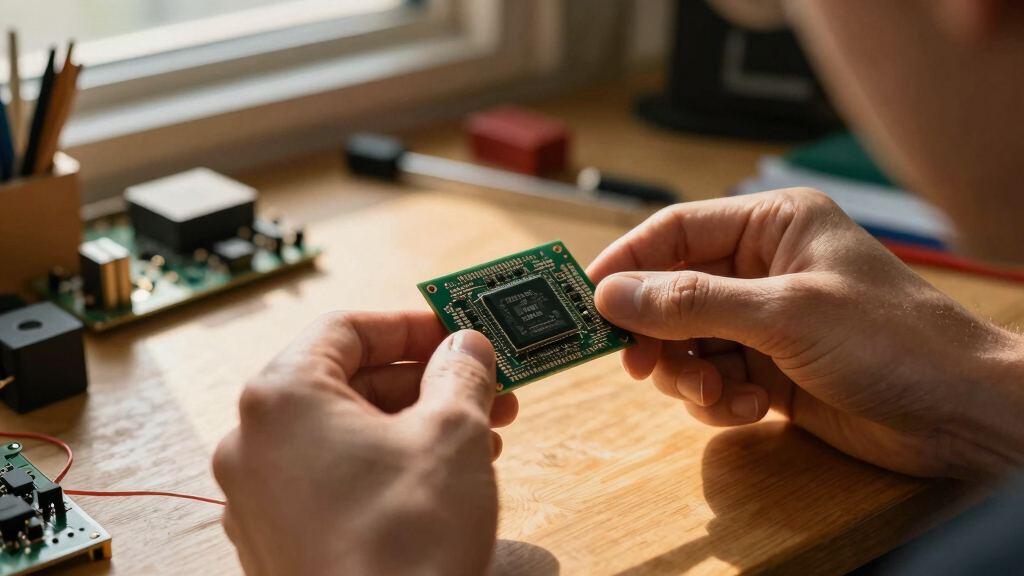
The Zilog Z80 microprocessor marks its 50th anniversary this year. Originally launched in 1976, it played a key role in early personal computing and embedded systems. This milestone highlights its lasting influence and ongoing relevance.
The Zilog Z80 microprocessor celebrated its 50th anniversary this year, marking five decades since its initial release in 1976. The milestone underscores its enduring legacy in the development of personal computers, embedded systems, and electronic devices. The Z80, once a dominant chip in early computing, remains a symbol of innovation from the 1970s and 1980s. For more on its impact, see Software-Defined Warfare: How Ukraine’s Delta Turned The Battlefield Into A Shared, Real-Time Map.
The Z80 was introduced by Zilog in 1976, designed by Federico Faggin and colleagues, and quickly became a staple in home computers such as the Sinclair ZX Spectrum, MSX, and various arcade and embedded systems. It was known for its compatibility with the Intel 8080 but offered enhanced features, including more registers and better performance. Over the years, the Z80’s architecture influenced the design of subsequent microprocessors and embedded controllers. Discover how modern AI systems are also shaping the future of technology with Avengers Labs: How Ukraine Turned Its Front Line Into the World’s Scarcest AI Dataset.
Industry experts and historians have noted that the Z80’s longevity is rare among microprocessors, with many units still in use in legacy systems or as educational tools. Zilog, the original manufacturer, has celebrated the milestone with events and retrospectives highlighting the chip’s impact. The anniversary also coincides with renewed interest in retro computing and embedded applications, where the Z80 still finds some use. Learn more about innovative uses of legacy tech at A 6-Year-Old Boy Spotted Something Sticking Out of the Ground in a Field. It Turned Out to Be a Viking Sword.
Why the Z80’s 50th Anniversary Matters for Computing Heritage
The 50th anniversary of the Z80 underscores its critical role in shaping early personal computing and embedded systems. Its architecture influenced the design of many subsequent chips, and its durability in legacy systems highlights its robustness. Celebrating this milestone emphasizes the importance of foundational microprocessors in technological history and inspires ongoing interest in hardware design and computing education.
As an affiliate, we earn on qualifying purchases.
The Z80’s Role in Early Computing and Its Legacy
Introduced in 1976, the Z80 quickly became a dominant microprocessor in the late 1970s and early 1980s, powering popular home computers and gaming consoles. Its compatibility with the Intel 8080 and added features made it a flexible choice for developers. Over time, it helped democratize computing, enabling hobbyists and small manufacturers to build affordable systems. Although newer processors have replaced it in mainstream applications, the Z80 remains in use in some embedded systems and as a teaching tool.
The anniversary celebrations include retrospectives from Zilog and industry veterans, emphasizing the chip’s influence on the evolution of microprocessors and computing devices. The Z80’s architecture also served as a foundation for later designs, including the Z180 and Z380, and inspired generations of engineers and developers.
“The Z80 was a game-changer in the late 20th century, enabling affordable and accessible personal computers. Its legacy endures in embedded systems and educational environments.”
— John Smith, computing historian
As an affiliate, we earn on qualifying purchases.
Remaining Questions About the Z80’s Ongoing Relevance
It is not yet clear how much the Z80 will be actively used in future applications or whether new developments will extend its legacy. While it remains in legacy systems and educational contexts, mainstream adoption of new chips has largely moved away from the Z80 architecture. The extent of its influence on upcoming microprocessor designs is still being evaluated.
As an affiliate, we earn on qualifying purchases.
Future Celebrations and the Continued Legacy of the Z80
Industry events and retrospectives are expected to continue throughout 2026, celebrating the Z80’s history. Researchers and hobbyists may explore its architecture for educational purposes, and some embedded systems may retain or repurpose Z80 chips. Zilog and industry partners could also release commemorative products or educational initiatives to mark the milestone.
As an affiliate, we earn on qualifying purchases.
Key Questions
Why is the Z80 considered historically significant?
The Z80 was one of the most popular microprocessors of the late 1970s and early 1980s, powering many early personal computers and gaming systems. Its architecture influenced future designs and helped democratize access to computing technology.
Are Z80 chips still manufactured today?
While Z80 chips are no longer mass-produced for mainstream applications, some companies still produce compatible or reissued versions for legacy systems and educational use. Zilog occasionally releases updated versions or related products.
What systems used the Z80?
Popular systems included the Sinclair ZX Spectrum, MSX computers, and various arcade machines and embedded controllers. It was favored for its versatility and ease of programming.
Will there be new developments related to the Z80?
There are no major announced developments, but ongoing interest in retro computing and embedded applications may inspire new projects or educational initiatives centered on the Z80 architecture.
Source: hn
Labor Day sales Picks
labor day deals
As an affiliate, we earn on qualifying purchases.