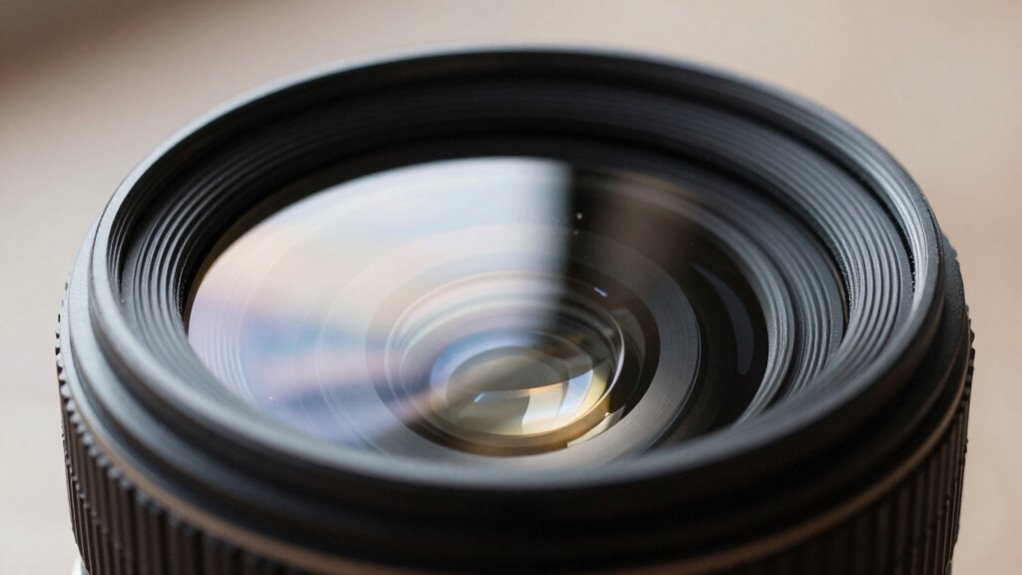

To protect your lens without hurting image quality, choose high-quality filters that match your lens diameter and utilize advanced multi-layer coatings. These coatings reduce glare, flare, and reflections while resisting scratches and fingerprints. Make certain the filters are optically pure and properly fitted to avoid distortions or color shifts. Prioritizing durability and glass quality helps keep your images sharp and true to life. Want to discover more about safeguarding your camera gear effectively?

Get the latest gadgets delivered free — and shop member deals
- Fast, free delivery on millions of items
- Access to Prime Big Deal Days deals on October 6–7
- Prime Video, Amazon Music and more included
Key Takeaways
- Choose high-quality, multi-coated filters to reduce reflections, glare, and optical artifacts while protecting your lens.
- Match filter size precisely to your lens diameter to prevent vignetting and image degradation.
- Prioritize filters with durable, scratch-resistant coatings that maintain clarity over time.
- Use UV or clear filters as a protective layer without impacting color accuracy or sharpness.
- Regularly clean filters carefully to preserve image quality and prevent damage to the lens.

Have you ever wondered how to guarantee your camera lenses stay clear and perform at their best? Protecting your lenses without sacrificing image quality requires a thoughtful approach. One of the first considerations is filter compatibility. Not all filters are created equal, and some can cause unwanted reflections or reduce sharpness if they don’t match your lens’s specifications. When choosing filters, look for ones designed to fit your lens’s diameter and with high-quality glass that matches your camera system. Proper filter compatibility ensures you don’t introduce unnecessary distortions or color shifts, helping maintain the integrity of your images.
Choose filters that match your lens diameter and feature high-quality glass to preserve image clarity and color accuracy.
Another essential aspect is coating durability. Many filters are coated with multiple layers to improve their resistance against scratches, fingerprints, and environmental elements. A durable coating protects your filter over time, reducing the need for frequent replacements. This, in turn, helps preserve the clarity and contrast of your images. When selecting filters, prioritize those with robust coating durability, as they’re less likely to degrade or develop spots that could compromise your shot. This is especially important if you’re shooting in challenging environments, where exposure to dust, moisture, or rough handling can quickly damage inferior coatings. Additionally, choosing filters with advanced coating technology can further diminish the likelihood of optical artifacts, safeguarding your image quality even in difficult conditions. Ensuring compatibility between filter coating and lens coatings can also help prevent coating incompatibilities that might lead to reflections or reduced image quality.
While protecting your lens, you want to avoid introducing any elements that could harm your image quality. Many photographers worry that filters might cause flare, ghosting, or reduce overall sharpness. To prevent this, choose filters with high-quality coatings specifically designed to minimize these issues. Multi-coated filters can considerably cut down on reflections and glare, ensuring that your images stay crisp and vibrant. Also, pay attention to the glass quality—premium filter glass tends to be optically pure, which means less impact on your image clarity. Additionally, it’s worth considering filter design features that help reduce optical artifacts and maintain image fidelity. Selecting filters with optical coatings can further enhance your image quality by reducing unwanted reflections.
It’s tempting to think that any protective filter will do, but the combination of filter compatibility and coating durability makes a big difference. Properly matched filters with durable coatings help safeguard your lens and preserve the quality of your photos. Remember, the goal is to add protection without adding any optical compromises. By investing in high-quality filters designed with compatibility and durability in mind, you ensure your lens remains pristine, and your images stay sharp and true to life. With this approach, you’ll find it easier to strike the perfect balance between lens protection and maintaining the highest image quality possible.
high quality UV lens filter for camera
As an affiliate, we earn on qualifying purchases.
As an affiliate, we earn on qualifying purchases.
Frequently Asked Questions
Do Lens Filters Affect Autofocus Performance?
Lens filters can affect autofocus performance if they aren’t compatible with your camera or lens. Poor filter compatibility may cause autofocus to hunt or become less stable, especially with thicker or low-quality filters. To maintain autofocus stability, select high-quality filters designed for your equipment. Testing your setup beforehand helps guarantee filters don’t interfere with focus accuracy, so your images stay sharp without sacrificing lens protection.
What Materials Are Best for Lens Protection?
Like a knight’s shield, the best lens protection materials are made from high-quality, durable glass or advanced plastics like polycarbonate. These materials offer excellent lens material durability while maintaining protection material transparency, ensuring your images stay sharp. Choose filters with scratch-resistant coatings and low iron content for clarity. These materials guard your lens against scratches, dust, and impacts without compromising image quality, so your shots remain crisp and vibrant.
Can Protective Coatings Be Removed From Lenses?
Yes, protective coatings can be removed from lenses, but it’s delicate work. Lens coating removal involves specialized chemicals or abrasive techniques that can damage the lens surface if not done correctly. Keep in mind, the durability of a protective layer varies; some coatings are more resistant than others. If you consider removing a coating, consult a professional to avoid compromising your lens’s optical quality and integrity.
How Often Should I Replace Lens Protectors?
You should replace your lens protector when it shows signs of damage, like scratches, cracks, or cloudiness, which can compromise image quality. Typically, the replacement frequency depends on usage and environment, but most protectors last between six months to a year. Regularly inspecting your lens protector guarantees you maintain ideal protection and image clarity, so don’t wait too long to replace it once its lifespan is nearing its end.
Are There Specific Brands Known for High-Quality Protection?
You should look for brands with a strong reputation for quality, like Zeiss, B+W, or Hoya, as they’re known for high product durability and reliable protection. These brands use premium materials that resist scratches and impacts, ensuring your lens stays safe without compromising image quality. Always check reviews and product specs to confirm their protective features meet your needs, so you get durability without sacrificing clarity.
multi-coated protective camera lens filter
As an affiliate, we earn on qualifying purchases.
As an affiliate, we earn on qualifying purchases.
Conclusion
Thinking about lens protection doesn’t mean sacrificing image quality. By choosing the right filters and handling your gear carefully, you can keep your lens safe without compromising your shots. Remember, isn’t it worth protecting your investment to guarantee every shot remains sharp and vibrant? With a little knowledge and the right accessories, you can strike the perfect balance between safeguarding your lens and capturing stunning images. After all, your best work deserves the best protection.
scratch resistant camera lens filter 58mm
As an affiliate, we earn on qualifying purchases.
As an affiliate, we earn on qualifying purchases.
optically pure camera lens filter
As an affiliate, we earn on qualifying purchases.
As an affiliate, we earn on qualifying purchases.
Fall Picks
fall essentials
As an affiliate, we earn on qualifying purchases.